
 Ava Garrison
Lemongrass Chicken with Thai Coconut Curry is the kind of meal that instantly fills the kitchen with irresistible aromas. Tender chicken is marinated with fragrant lemongrass, garlic, and spices before being paired with a silky coconut curry sauce that is rich, creamy, and perfectly balanced with savory, sweet, and mildly spicy flavors. Every spoonful feels comforting while still delivering the bright freshness that makes Thai-inspired dishes so memorable.
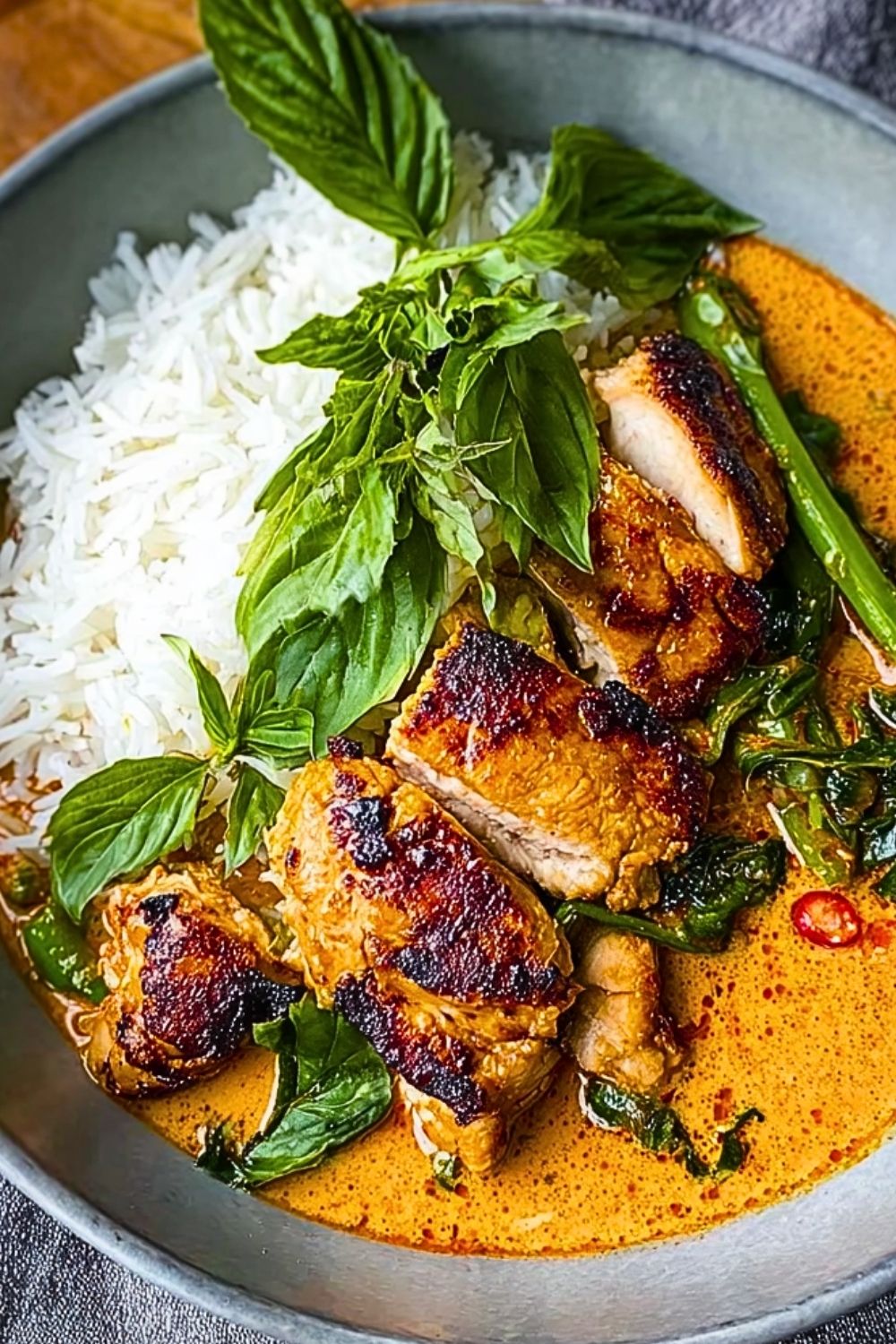
Served over fluffy jasmine rice and finished with fresh basil, this dish creates a restaurant-quality dinner right at home. The creamy curry sauce coats every bite of juicy chicken and vegetables beautifully, making it ideal for weeknight dinners, meal prep, or even casual gatherings with friends and family. It is hearty without feeling too heavy, and the vibrant flavors make it a recipe worth repeating often.
Why You’ll Love This Lemongrass Chicken with Thai Coconut Curry
This Lemongrass Chicken with Thai Coconut Curry combines bold flavors with surprisingly simple preparation. The fresh lemongrass brings a citrusy brightness that pairs beautifully with creamy coconut milk, while the curry sauce delivers warmth and depth without overwhelming heat. It is versatile enough to customize with different vegetables or spice levels, making it suitable for both adventurous eaters and those who prefer milder dishes.
Another reason this dish stands out is how satisfying it feels while still being easy to prepare in under an hour. The ingredients are simple to find, the cooking process is straightforward, and the final presentation looks impressive enough for entertaining. Whether you are craving a cozy dinner or looking for new dinner ideas packed with flavor, this recipe delivers every time.
Preparation Phase & Tools to Use
To make this Lemongrass Chicken with Thai Coconut Curry successfully, having the right kitchen tools makes the cooking process smoother and helps develop the best flavors and textures.
- Sharp Chef’s Knife: Essential for slicing the chicken evenly and finely chopping aromatics like lemongrass, garlic, and shallots. Precise cuts help everything cook uniformly.
- Cutting Board: Provides a stable surface for prepping vegetables, herbs, and chicken safely and efficiently.
- Large Skillet or Sauté Pan: A wide pan allows the chicken to sear properly while giving the curry sauce enough space to simmer without overcrowding.
- Wooden Spoon or Silicone Spatula: Helpful for stirring the curry sauce gently without scratching cookware.
- Mixing Bowls: Useful for marinating the chicken and organizing ingredients before cooking begins.
- Measuring Cups and Spoons: Important for balancing the curry sauce flavors accurately.
- Rice Cooker or Saucepan: Ensures perfectly cooked jasmine rice that pairs beautifully with the creamy curry.
Each tool contributes to better texture, smoother preparation, and more consistent cooking results, especially when building layered flavors in the curry sauce.
Preparation Tips
For the most flavorful Lemongrass Chicken with Thai Coconut Curry, allow the chicken to marinate for at least 30 minutes so the lemongrass and seasonings can fully penetrate the meat. Fresh lemongrass works best because it provides a bright citrus aroma that dried alternatives cannot fully replicate. When cooking the chicken, avoid overcrowding the pan since this prevents proper browning and can cause the chicken to steam instead of sear. Keep the curry sauce at a gentle simmer rather than a rapid boil to maintain its creamy consistency and prevent the coconut milk from separating. Preparing all ingredients ahead of time also makes the cooking process much easier because the recipe comes together quickly once the heat is on.
Ingredients for Lemongrass Chicken with Thai Coconut Curry
For the Lemongrass Chicken Marinade
- 1 ½ pounds boneless skinless chicken thighs or chicken breasts, cut into bite-sized pieces
- 2 stalks fresh lemongrass, tender inner part finely minced
- 4 garlic cloves, minced
- 1 tablespoon fresh ginger, grated
- 2 tablespoons soy sauce
- 1 tablespoon fish sauce
- 1 tablespoon brown sugar
- 1 teaspoon sesame oil
- 1 teaspoon ground coriander
- ½ teaspoon black pepper
- 1 tablespoon lime juice
For the Thai Coconut Curry Sauce
- 1 tablespoon vegetable oil or coconut oil
- 1 small yellow onion, thinly sliced
- 3 garlic cloves, minced
- 1 tablespoon fresh ginger, grated
- 2 tablespoons Thai red curry paste
- 1 can (13.5 ounces) full-fat coconut milk
- 1 cup chicken broth
- 1 tablespoon fish sauce
- 1 tablespoon soy sauce
- 1 teaspoon brown sugar
- 1 teaspoon lime zest
- 1 tablespoon fresh lime juice
Vegetables and Add-Ins
- 1 cup asparagus pieces
- 1 red bell pepper, sliced
- 1 cup baby spinach
- ½ cup snap peas
- ¼ cup fresh Thai basil leaves
- 2 green onions, sliced
For Serving
- Cooked jasmine rice
- Extra Thai basil
- Lime wedges
- Red chili flakes or sliced Thai chilies
Step 1: Marinate the Chicken
Place the chicken pieces in a large mixing bowl and add the minced lemongrass, garlic, ginger, soy sauce, fish sauce, brown sugar, sesame oil, coriander, black pepper, and lime juice. Mix thoroughly until every piece of chicken is evenly coated with the marinade. Cover the bowl and refrigerate for at least 30 minutes, although allowing it to marinate for 2 hours creates even deeper flavor.
The lemongrass marinade infuses the chicken with fresh citrusy notes while the soy sauce and fish sauce add savory depth. Marinating also helps tenderize the chicken, ensuring juicy bites after cooking.
Step 2: Prepare the Rice and Vegetables
While the chicken marinates, rinse the jasmine rice under cold water until the water runs mostly clear. Cook according to package directions using either a rice cooker or saucepan. Fluff the rice gently with a fork once cooked to keep it light and airy.
Wash and slice all vegetables before cooking begins. Cut the asparagus into bite-sized pieces, slice the bell peppers thinly, trim the snap peas, and set aside the spinach and basil leaves. Having everything prepped in advance makes the cooking process smooth because the curry cooks quickly once heated.
Step 3: Sear the Lemongrass Chicken
Heat a large skillet or sauté pan over medium-high heat and add a small amount of oil. Once the pan is hot, arrange the marinated chicken pieces in a single layer without overcrowding the pan. Cook for about 4 to 5 minutes per side until golden brown with lightly charred edges.
Work in batches if necessary to maintain proper heat. The caramelization created during this step develops rich flavor and gives the chicken a delicious smoky finish that pairs beautifully with the creamy coconut curry.
After cooking, transfer the chicken to a clean plate and keep warm.
Step 4: Build the Curry Base
Reduce the heat to medium and add another small drizzle of oil if needed. Add the sliced onions to the same pan and sauté for 3 to 4 minutes until softened and lightly translucent. Stir in the garlic and ginger, cooking for another 30 seconds until fragrant.
Add the Thai red curry paste and stir continuously for 1 to 2 minutes. Cooking the curry paste directly in the pan helps release its essential oils and intensifies the flavor of the sauce.
The kitchen should become deeply aromatic at this stage, filled with spicy, savory, and citrusy scents.
Step 5: Create the Coconut Curry Sauce
Slowly pour in the coconut milk while stirring to combine it smoothly with the curry paste mixture. Add the chicken broth, fish sauce, soy sauce, brown sugar, lime zest, and lime juice.
Bring the sauce to a gentle simmer and allow it to cook for 5 to 7 minutes. The sauce will begin to thicken slightly while developing a rich and creamy consistency.
Taste the curry and adjust seasoning if necessary. Add more lime juice for brightness, brown sugar for balance, or curry paste if you prefer additional heat.
Step 6: Cook the Vegetables
Add the asparagus, bell peppers, and snap peas to the simmering curry sauce. Cook for about 4 to 5 minutes until the vegetables become tender-crisp while still maintaining vibrant color.
Stir in the baby spinach during the final minute of cooking and allow it to wilt naturally into the sauce. The fresh vegetables add texture, freshness, and beautiful color contrast to the creamy curry.
Step 7: Return the Chicken to the Curry
Place the cooked lemongrass chicken back into the skillet and gently stir to coat each piece with the coconut curry sauce. Simmer everything together for another 2 to 3 minutes so the flavors fully combine.
Finish by stirring in fresh Thai basil and sliced green onions. The basil adds a fragrant herbal finish that brightens the entire dish and complements the lemongrass beautifully.
Step 8: Serve and Garnish
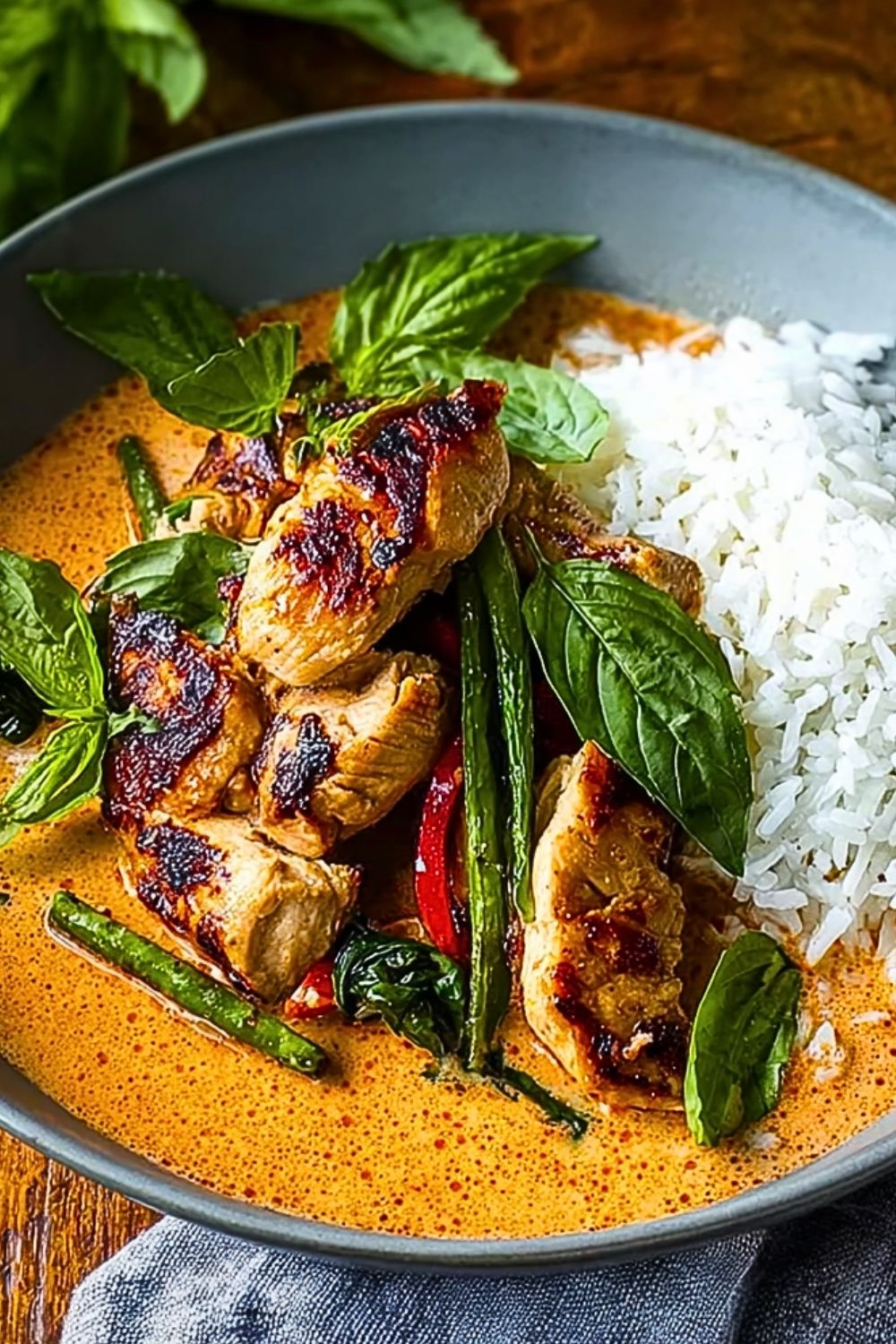
Spoon warm jasmine rice into serving bowls and ladle the coconut curry and chicken over the top. Garnish generously with extra Thai basil leaves, lime wedges, sliced chilies, or red pepper flakes for additional heat.
Serve immediately while the curry is hot and creamy. The tender lemongrass chicken, silky coconut sauce, and fresh herbs create a comforting yet vibrant meal that feels both elegant and satisfying.
For an even more authentic Thai-inspired experience, pair the dish with cucumber salad, fresh spring rolls, or a chilled Thai iced tea.
Notes
Lemongrass Chicken with Thai Coconut Curry is a wonderfully flexible dish that can easily be adjusted to suit different tastes and dietary preferences. Chicken thighs are often preferred because they stay extra juicy and flavorful during cooking, but chicken breast works well if you prefer a leaner option. For a vegetarian version, tofu or chickpeas can replace the chicken while still pairing beautifully with the creamy coconut curry sauce.
The balance of flavors is one of the most important elements in this dish. Thai-inspired cooking often combines salty, sweet, spicy, and acidic components together, so tasting the curry as it cooks helps create the perfect balance. If the curry feels too rich, a splash of lime juice brightens everything instantly. If it tastes too spicy, additional coconut milk can mellow the heat while maintaining the creamy texture.
Fresh herbs also make a significant difference in the final presentation and flavor. Thai basil adds a slightly peppery sweetness that complements the lemongrass and curry beautifully, while cilantro can provide an extra burst of freshness. Serving the curry over jasmine rice helps absorb the flavorful sauce and creates a complete, satisfying meal.
This recipe is also excellent for meal prep because the flavors deepen after resting overnight. The curry sauce becomes even richer as the aromatics continue blending together, making leftovers especially delicious the next day.
Watch Out for These Mistakes While Cooking
- Skipping the Marinade Time: Rushing the marinating process can result in less flavorful chicken. Even 30 minutes makes a noticeable difference.
- Using Tough Outer Lemongrass Layers: Only the tender inner portion of the lemongrass stalk should be used. The outer layers are too fibrous and can negatively affect texture.
- Overcrowding the Pan: Placing too much chicken in the skillet at once causes steaming instead of browning. Cook in batches if necessary for better caramelization.
- Boiling the Coconut Milk Aggressively: High heat can cause coconut milk to separate and become grainy. Keep the curry at a gentle simmer for a smooth sauce.
- Adding Vegetables Too Early: Delicate vegetables can become mushy if overcooked. Add them according to cooking time so they remain vibrant and slightly crisp.
- Not Tasting the Curry Before Serving: The perfect curry balances salty, sweet, spicy, and acidic flavors. Adjusting seasoning at the end creates a much more flavorful dish.
- Overcooking the Chicken: Chicken can dry out quickly if cooked too long. Remove it once fully cooked and juicy.
- Using Low-Fat Coconut Milk: Full-fat coconut milk creates the creamy texture that makes the curry rich and satisfying.
Storage Instructions
Allow the Lemongrass Chicken with Thai Coconut Curry to cool completely before storing. Transfer leftovers into airtight containers and refrigerate for up to 4 days. The flavors continue developing as the curry rests, making it especially delicious for meal prep and next-day lunches.
For reheating, warm the curry gently on the stovetop over medium-low heat or microwave in short intervals while stirring occasionally. If the sauce thickens too much after refrigeration, add a splash of chicken broth or coconut milk to loosen the consistency.
This dish can also be frozen for up to 2 months. Store the curry separately from the rice when possible for better texture after thawing. Defrost overnight in the refrigerator before reheating gently.
Fresh herbs such as Thai basil should ideally be added fresh after reheating to maintain their vibrant flavor and color.
Estimated Nutrition
Per Serving (Approximate)
- Calories: 520
- Protein: 34g
- Carbohydrates: 28g
- Fat: 31g
- Saturated Fat: 18g
- Fiber: 4g
- Sugar: 8g
- Sodium: 760mg
- Cholesterol: 110mg
Nutritional values may vary depending on ingredient brands, serving sizes, and optional additions.
Frequently Asked Questions
Can I use chicken breast instead of chicken thighs?
Yes, chicken breast works very well in this recipe. Chicken thighs provide slightly more flavor and tenderness, but chicken breast is a leaner option that still tastes delicious in the coconut curry sauce.
What does lemongrass taste like?
Lemongrass has a bright citrus flavor with subtle herbal and ginger-like notes. It adds freshness and aroma without the sharp acidity of lemon juice.
Is this curry very spicy?
The spice level is moderate and can easily be adjusted. Use less Thai red curry paste for a milder curry or add extra chilies if you enjoy more heat.
Can I make this recipe dairy-free?
Yes, the recipe is naturally dairy-free because coconut milk provides the creamy texture instead of dairy products.
What vegetables work best in this curry?
Bell peppers, asparagus, snap peas, spinach, broccoli, zucchini, and green beans all pair beautifully with the coconut curry sauce.
Can I prepare the chicken marinade ahead of time?
Absolutely. The chicken can marinate overnight in the refrigerator, which actually helps deepen the flavor even more.
What should I serve with Lemongrass Chicken with Thai Coconut Curry?
Jasmine rice is the most popular choice, but brown rice, rice noodles, cauliflower rice, or even warm flatbread can work wonderfully.
How do I thicken the curry sauce if needed?
Allowing the curry to simmer slightly longer naturally thickens the sauce. You can also stir in a small cornstarch slurry if a thicker consistency is preferred.
Conclusion
Lemongrass Chicken with Thai Coconut Curry is the perfect combination of comforting richness and vibrant fresh flavor. The juicy marinated chicken, creamy coconut curry sauce, aromatic herbs, and colorful vegetables come together to create a dish that feels both cozy and exciting at the same time.
Whether you are preparing it for a quick weeknight dinner, meal prepping for the week ahead, or serving guests something impressive yet approachable, this recipe delivers incredible flavor with every bite. Its balance of creamy, savory, citrusy, and mildly spicy elements makes it a meal that stands out while still being easy enough to recreate at home whenever cravings strike.
Once you try this flavorful Thai-inspired curry, it is likely to become one of your favorite homemade comfort meals.
Lemongrass Chicken with Thai Coconut Curry
- Prep Time: 20 minutes
- Cook Time: 30 minutes
- Total Time: 50 minutes
- Yield: 4 servings
- Category: Dinner
- Method: Stovetop
- Cuisine: Thai-Inspired
Description
Bring bold Thai-inspired flavors to your dinner table with this creamy Lemongrass Chicken with Thai Coconut Curry. Tender marinated chicken is seared until golden, then simmered in a rich coconut curry sauce packed with garlic, ginger, lemongrass, and vibrant vegetables. This easy dinner recipe is comforting, flavorful, and perfect for weeknight meals, meal prep, or impressive dinner ideas for guests. The creamy coconut milk balances the warm curry spices beautifully while fresh basil and lime add brightness to every bite. Served over fluffy jasmine rice, this easy recipe delivers restaurant-quality flavor with simple ingredients and straightforward cooking steps. Whether you are searching for healthy dinner ideas, quick comfort food, or flavorful food ideas for the family, this dish is guaranteed to satisfy.
Ingredients
1 ½ pounds boneless skinless chicken thighs or chicken breasts
2 stalks fresh lemongrass finely minced
4 cloves garlic minced
1 tablespoon fresh ginger grated
2 tablespoons soy sauce
1 tablespoon fish sauce
1 tablespoon brown sugar
1 teaspoon sesame oil
1 teaspoon ground coriander
½ teaspoon black pepper
1 tablespoon lime juice
1 tablespoon vegetable oil
1 small yellow onion sliced
3 cloves garlic minced
1 tablespoon fresh ginger grated
2 tablespoons Thai red curry paste
13.5 ounces full-fat coconut milk
1 cup chicken broth
1 tablespoon fish sauce
1 tablespoon soy sauce
1 teaspoon brown sugar
1 teaspoon lime zest
1 tablespoon lime juice
1 cup asparagus pieces
1 red bell pepper sliced
1 cup baby spinach
½ cup snap peas
¼ cup fresh Thai basil leaves
2 green onions sliced
3 cups cooked jasmine rice
Extra Thai basil for garnish
Lime wedges for serving
Red chili flakes or sliced Thai chilies for garnish
Instructions
1. In a large bowl, combine the chicken, lemongrass, garlic, ginger, soy sauce, fish sauce, brown sugar, sesame oil, coriander, black pepper, and lime juice. Mix thoroughly and marinate for at least 30 minutes.
2. Cook the jasmine rice according to package instructions and set aside warm.
3. Heat a large skillet over medium-high heat and add vegetable oil. Sear the marinated chicken in batches for 4 to 5 minutes per side until golden brown and fully cooked. Transfer to a plate.
4. In the same skillet, sauté the onion for 3 to 4 minutes until softened. Add garlic and ginger and cook for 30 seconds until fragrant.
5. Stir in the Thai red curry paste and cook for 1 to 2 minutes to deepen the flavor.
6. Slowly pour in the coconut milk and chicken broth while stirring continuously. Add fish sauce, soy sauce, brown sugar, lime zest, and lime juice.
7. Simmer the curry sauce gently for 5 to 7 minutes until slightly thickened.
8. Add the asparagus, bell pepper, and snap peas. Cook for 4 to 5 minutes until tender-crisp.
9. Stir in the spinach and allow it to wilt into the sauce.
10. Return the cooked chicken to the skillet and simmer for 2 to 3 minutes until fully coated in the curry sauce.
11. Stir in the Thai basil and green onions just before serving.
12. Serve hot over jasmine rice and garnish with fresh basil, lime wedges, and sliced chilies if desired.
Notes
Use only the tender inner part of the lemongrass stalk for the best texture and flavor.
Full-fat coconut milk creates the richest and creamiest curry sauce without separating during cooking.
Add fresh Thai basil at the very end to maintain its vibrant flavor and aroma.
Nutrition
- Serving Size: 1 serving
- Calories: 520
- Sugar: 8g
- Sodium: 760mg
- Fat: 31g
- Saturated Fat: 18g
- Unsaturated Fat: 10g
- Trans Fat: 0g
- Carbohydrates: 28g
- Fiber: 4g
- Protein: 34g
- Cholesterol: 110mg
Keywords: lemongrass chicken, thai coconut curry, easy dinner recipe, chicken curry, coconut milk curry, healthy dinner ideas, thai chicken curry, quick dinner ideas, homemade curry, comfort food