
 Ava Garrison
Few dishes bring as much comfort to the table as a bowl of creamy, buttery mashed potatoes. This timeless classic is all about simple ingredients transformed into something irresistibly smooth and flavorful. Each spoonful melts in your mouth, delivering warmth and satisfaction that pairs beautifully with almost any main course.
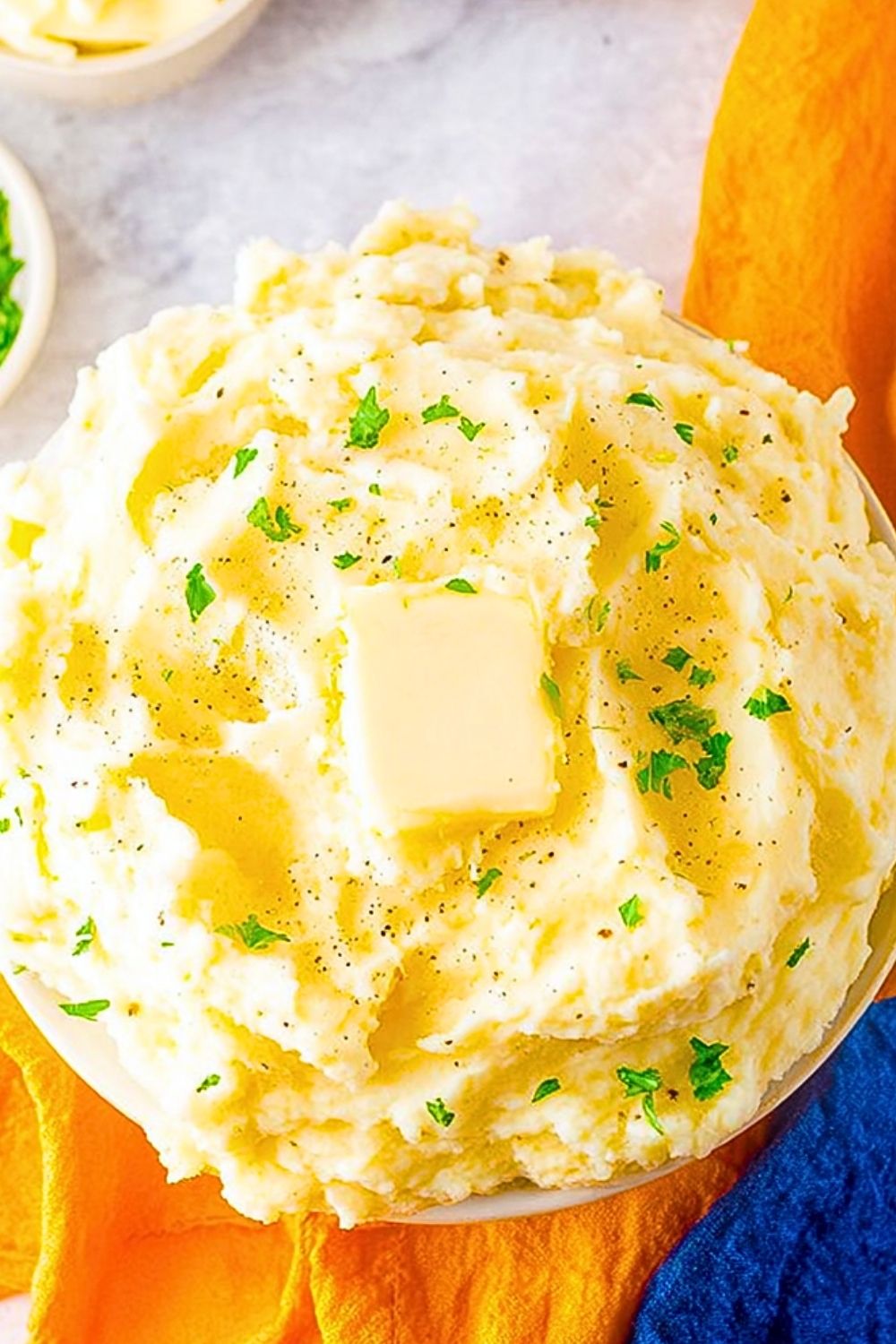
Whether served at a festive holiday dinner or alongside a quick weeknight meal, mashed potatoes never go out of style. The rich texture, balanced seasoning, and velvety finish make this recipe a go-to favorite that’s easy to master and even easier to enjoy.
Why You’ll Love This The Best Classic Mashed Potato
This recipe stands out for its perfectly creamy texture and rich, buttery flavor. It’s simple enough for beginners yet delivers restaurant-quality results. You can easily customize it with extra butter, cream, or herbs, making it adaptable to any taste. Plus, it pairs well with everything from roasted meats to vegetables, making it a reliable side dish for any occasion.
Preparation Phase & Tools to Use (Essential Tools and Equipment, and the Importance of Each Tool)
To achieve perfectly smooth mashed potatoes, having the right tools makes all the difference. A large pot is essential for evenly boiling the potatoes, ensuring they cook through without becoming mushy. A potato masher or ricer helps create that creamy consistency—ricers produce ultra-smooth results, while mashers give a slightly rustic texture. A sharp knife and sturdy cutting board make peeling and chopping safer and more efficient. Finally, a saucepan is useful for warming butter and milk before mixing, which helps maintain a silky texture without cooling down the potatoes.
Preparation Tips
Choosing the right potatoes is key—Yukon Gold or Russet potatoes work best due to their high starch content, which creates a fluffy texture. Always start boiling potatoes in cold, salted water to ensure even cooking from the inside out. Avoid overmixing, as it can make the potatoes gluey instead of light and airy. For the best flavor, warm your butter and cream before adding them, allowing the potatoes to absorb the richness more effectively.
Ingredients for this The Best Classic Mashed Potato
- 2 pounds (about 900g) Yukon Gold or Russet potatoes, peeled and cut into even chunks
- 4 tablespoons (60g) unsalted butter, plus extra for serving
- 1/2 to 3/4 cup (120–180ml) whole milk or heavy cream (adjust for desired consistency)
- 1/2 cup (120ml) sour cream (optional, for extra creaminess and slight tang)
- 3–4 cloves garlic, peeled (optional, for garlic mashed potatoes)
- 1 1/2 teaspoons salt (for boiling water, plus more to taste)
- 1/2 teaspoon freshly ground black pepper (adjust to taste)
- 2 tablespoons cream cheese (optional, for ultra-rich texture)
- Fresh parsley or chives, finely chopped (for garnish)
Instructions
Step 1: Prepare the Potatoes
Peel the potatoes and cut them into evenly sized chunks (about 1.5–2 inches). Uniform size ensures even cooking and prevents some pieces from becoming overcooked while others remain firm.
Step 2: Start with Cold Water
Place the potato chunks into a large pot and cover them with cold water by about 1 inch. Add salt to the water. Starting with cold water allows the potatoes to cook evenly from the inside out.
Step 3: Boil Until Tender
Bring the pot to a gentle boil over medium-high heat. Reduce to a simmer and cook for 15–20 minutes, or until the potatoes are fork-tender (a fork should slide in easily without resistance).
Step 4: Optional Garlic Infusion
If making garlic mashed potatoes, add the peeled garlic cloves to the pot during the last 10 minutes of cooking. This softens the garlic and mellows its flavor.
Step 5: Drain Thoroughly
Drain the potatoes well in a colander. Let them sit for 2–3 minutes to allow excess moisture to evaporate—this step is key to preventing watery mashed potatoes.
Step 6: Warm the Dairy
While the potatoes are draining, gently heat the butter and milk (or cream) in a small saucepan over low heat until warm but not boiling. Warm ingredients blend more smoothly and keep the potatoes hot.
Step 7: Mash to Desired Texture
Return the potatoes to the pot or transfer to a large bowl. Mash using a potato masher for a slightly rustic texture, or use a potato ricer for ultra-smooth results.
Step 8: Add Butter First
Add the warm butter to the mashed potatoes and mix until fully absorbed. Coating the starches with fat first helps create a creamier texture.
Step 9: Incorporate Milk and Cream
Gradually pour in the warm milk or cream, stirring gently until the potatoes reach your desired consistency. Avoid overmixing to prevent a gluey texture.
Step 10: Add Optional Enhancements
Stir in sour cream and/or cream cheese if using. These additions enhance richness and give the mashed potatoes a velvety finish.
Step 11: Season to Perfection
Add salt and freshly ground black pepper to taste. Mix gently and adjust seasoning as needed.
Step 12: Final Texture Adjustment
If the potatoes are too thick, add a splash more warm milk. If too thin, let them sit briefly to thicken or mash in a few extra potatoes if available.
Step 13: Serve and Garnish
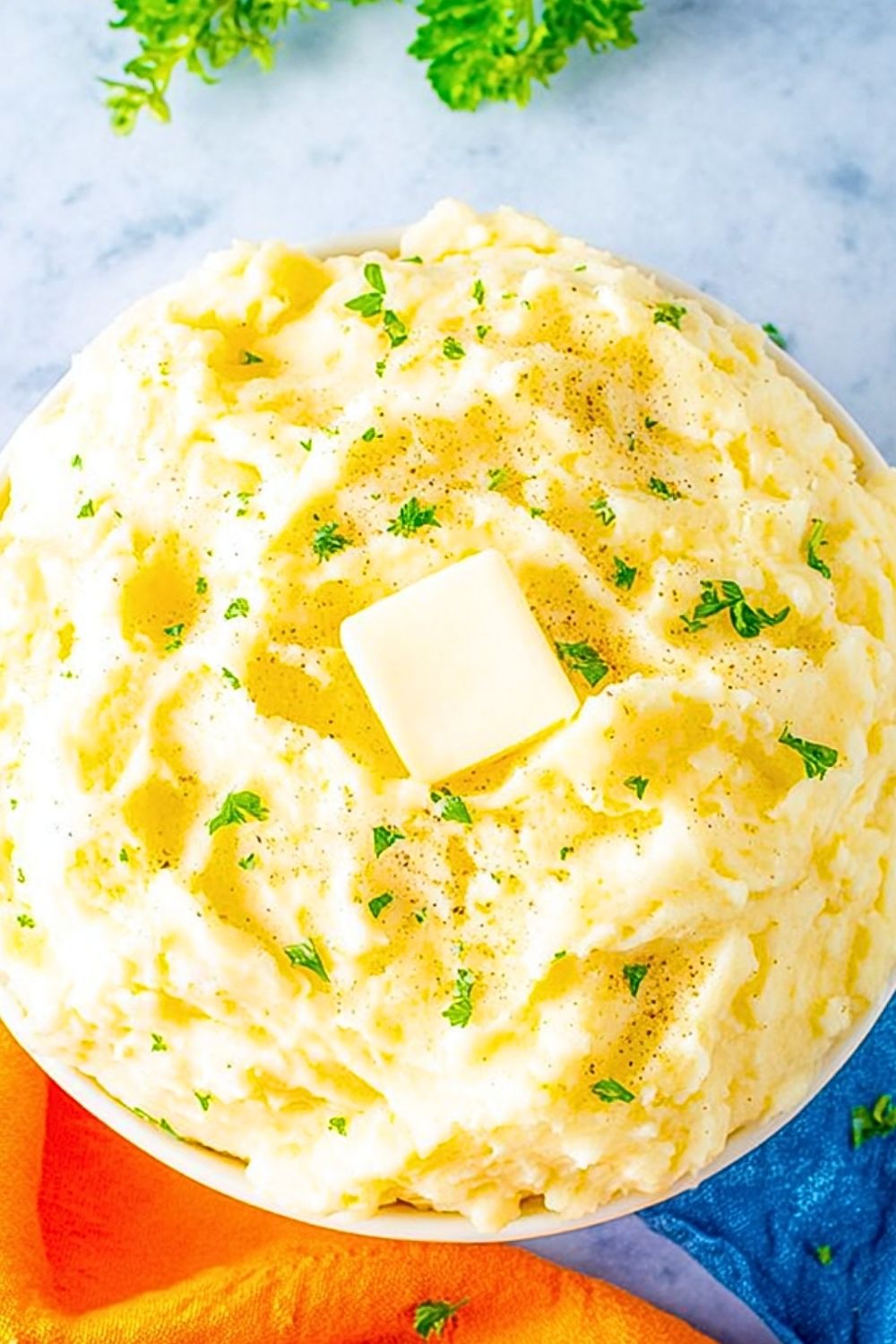
Transfer to a serving bowl, top with a pat of butter, and sprinkle with fresh parsley or chives. Serve immediately while hot and fluffy.
Step 14: Optional Flavor Variations
- Add roasted garlic for a deeper, sweeter flavor.
- Mix in shredded cheddar or Parmesan cheese for a cheesy twist.
- Stir in crispy bacon bits for a loaded mashed potato version.
- Use olive oil instead of butter for a lighter, dairy-free option.
The Best Classic Mashed Potato
Notes
Perfect mashed potatoes rely on balance—texture, flavor, and temperature all play a role. Always use high-starch potatoes like Russets for fluffiness or Yukon Gold for a naturally buttery taste. The ratio of butter to liquid can be adjusted depending on how rich or light you want the final dish. For a smoother finish, a potato ricer is highly recommended, while a masher offers a more rustic feel. Remember that seasoning should be layered, starting from the boiling water all the way to the final taste adjustment. Keeping ingredients warm throughout the process ensures the potatoes stay creamy and don’t stiffen prematurely.
Watch Out for These Mistakes While Cooking
- Overmixing the potatoes, which can lead to a gluey, gummy texture
- Adding cold milk or butter, causing uneven mixing and cooling the potatoes
- Undersalting the water, resulting in bland potatoes
- Not draining potatoes properly, leading to watery consistency
- Using waxy potatoes, which don’t mash well and can become lumpy
- Skipping the resting step after draining, which helps remove excess moisture
Storage Instructions
Store leftover mashed potatoes in an airtight container in the refrigerator for up to 3–4 days. To reheat, warm them gently on the stovetop or in the microwave, adding a splash of milk or cream to restore their creamy consistency. Stir occasionally while reheating to ensure even warmth. Mashed potatoes can also be frozen for up to one month, though the texture may slightly change upon thawing. For best results, thaw overnight in the refrigerator before reheating.
Estimated Nutrition
(Per serving, approximate values)
- Calories: 220–260 kcal
- Protein: 3–4g
- Carbohydrates: 30–35g
- Fat: 10–14g
- Saturated Fat: 6–8g
- Cholesterol: 25–35mg
- Sodium: 300–450mg
- Fiber: 2–3g
- Sugar: 2–3g
Frequently Asked Questions
Can I make mashed potatoes ahead of time?
Yes, you can prepare them a day in advance. Store in the refrigerator and reheat with added milk or butter to restore creaminess.
What type of potatoes are best?
Russet potatoes for fluffiness or Yukon Gold for a creamier, naturally buttery flavor.
How do I fix gluey mashed potatoes?
Unfortunately, overmixed potatoes can’t fully be fixed, but you can try folding in more melted butter or using them in another dish like potato pancakes.
Can I make them without dairy?
Absolutely. Substitute butter with olive oil and use plant-based milk for a dairy-free version.
Why are my mashed potatoes lumpy?
They may be undercooked or not mashed thoroughly. Ensure potatoes are fork-tender before mashing.
Can I freeze mashed potatoes?
Yes, but the texture may change slightly. Reheat with extra cream or butter to improve consistency.
How do I make them extra creamy?
Use heavy cream, butter, and optionally cream cheese or sour cream for added richness.
Should I peel the potatoes?
Peeling gives a smoother texture, but leaving skins on adds a rustic feel and extra nutrients.
Conclusion
The Best Classic Mashed Potato is a timeless side dish that brings comfort and versatility to any meal. With the right techniques and a few simple ingredients, you can achieve a perfectly creamy, flavorful result every time. Whether you keep it traditional or experiment with add-ins, this recipe is sure to become a staple in your kitchen.
The Best Classic Mashed Potato
- Prep Time: 15 minutes
- Cook Time: 20 minutes
- Total Time: 35 minutes
- Yield: 4 servings
- Category: Side Dish
- Method: Boiling & Mashing
- Cuisine: American
- Diet: Vegetarian
Description
Get ready to enjoy the ultimate comfort food with this creamy, buttery mashed potato recipe. Perfect as a quick dinner side, holiday favorite, or easy recipe for everyday meals, these mashed potatoes are smooth, fluffy, and packed with rich flavor. Whether you’re looking for dinner ideas, food ideas, or a reliable classic, this dish delivers a satisfying texture and taste every time.
Ingredients
2 pounds Yukon Gold or Russet potatoes, peeled and cut
4 tablespoons unsalted butter
1/2 to 3/4 cup whole milk or heavy cream
1/2 cup sour cream (optional)
3 cloves garlic (optional)
1 1/2 teaspoons salt
1/2 teaspoon black pepper
2 tablespoons cream cheese (optional)
2 tablespoons chopped parsley or chives
Instructions
1. Peel and cut potatoes into evenly sized chunks.
2. Place potatoes in a pot and cover with cold salted water.
3. Bring to a boil, then simmer for 15–20 minutes until fork-tender.
4. Add garlic during the last 10 minutes if using.
5. Drain potatoes and let sit for 2–3 minutes to remove excess moisture.
6. Warm butter and milk in a saucepan until heated through.
7. Mash potatoes using a masher or ricer.
8. Add butter first and mix until absorbed.
9. Gradually add warm milk while mixing gently.
10. Stir in sour cream or cream cheese if desired.
11. Season with salt and pepper to taste.
12. Adjust consistency with more milk if needed.
13. Serve hot with butter and garnish with herbs.
Notes
Use warm milk and butter to keep the potatoes creamy and smooth.
Avoid overmixing to prevent a gluey texture.
Drain potatoes well to avoid watery mashed potatoes.
Nutrition
- Serving Size: 1 serving
- Calories: 240
- Sugar: 3g
- Sodium: 380mg
- Fat: 12g
- Saturated Fat: 7g
- Unsaturated Fat: 4g
- Trans Fat: 0g
- Carbohydrates: 32g
- Fiber: 3g
- Protein: 4g
- Cholesterol: 30mg
Keywords: mashed potatoes, easy recipe, dinner ideas, comfort food, quick side dish