
 Ava Garrison
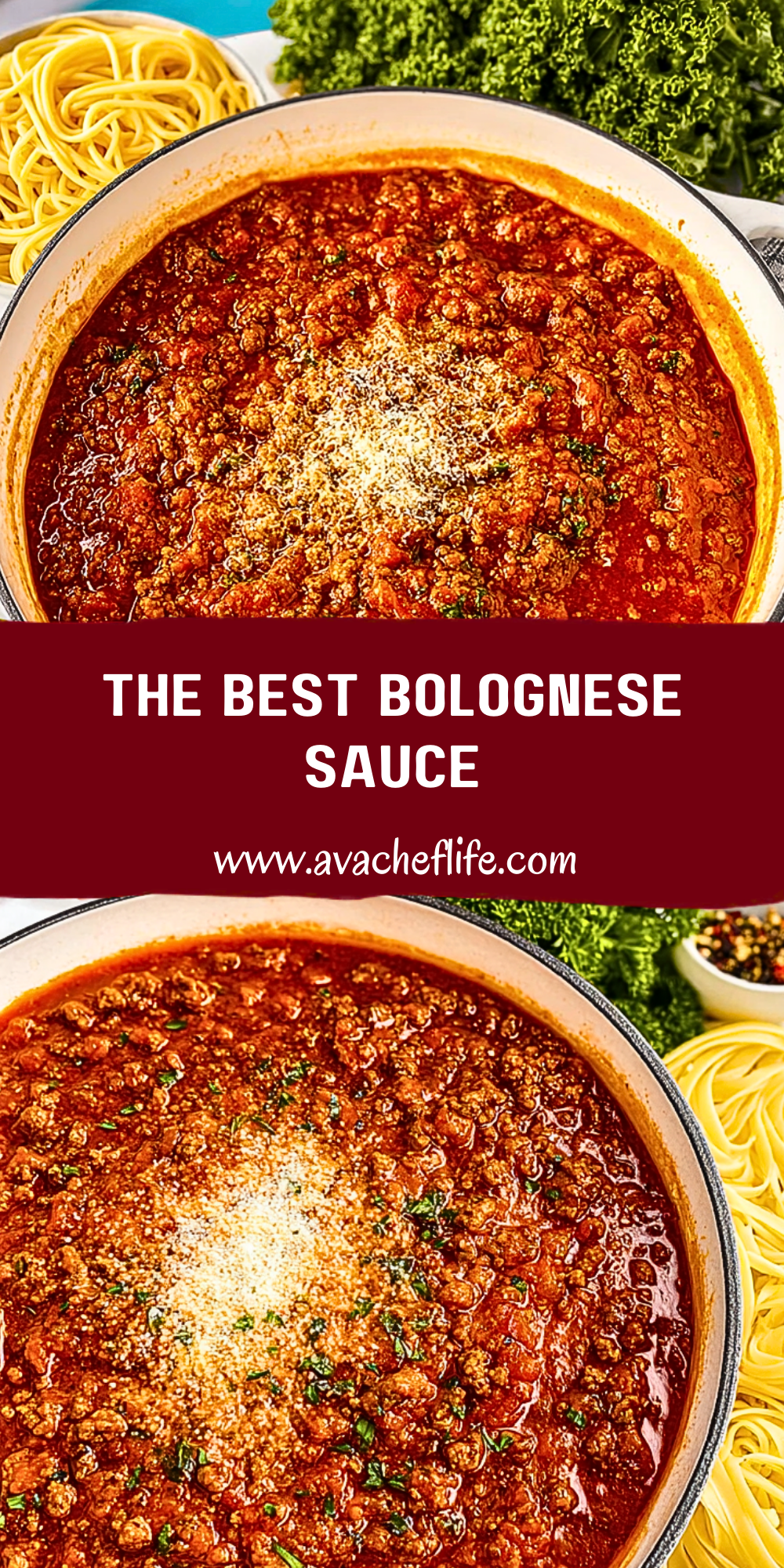
I’ve always had a deep love for a rich, slow-simmered Bolognese sauce. There’s something incredibly comforting about the way the hearty meat melds with tomatoes, garlic, and herbs to create a deeply flavorful dish. It’s not just a pasta topping—Bolognese feels like a warm hug in a bowl, and once you learn how to make it from scratch, there’s truly no turning back to store-bought jars.
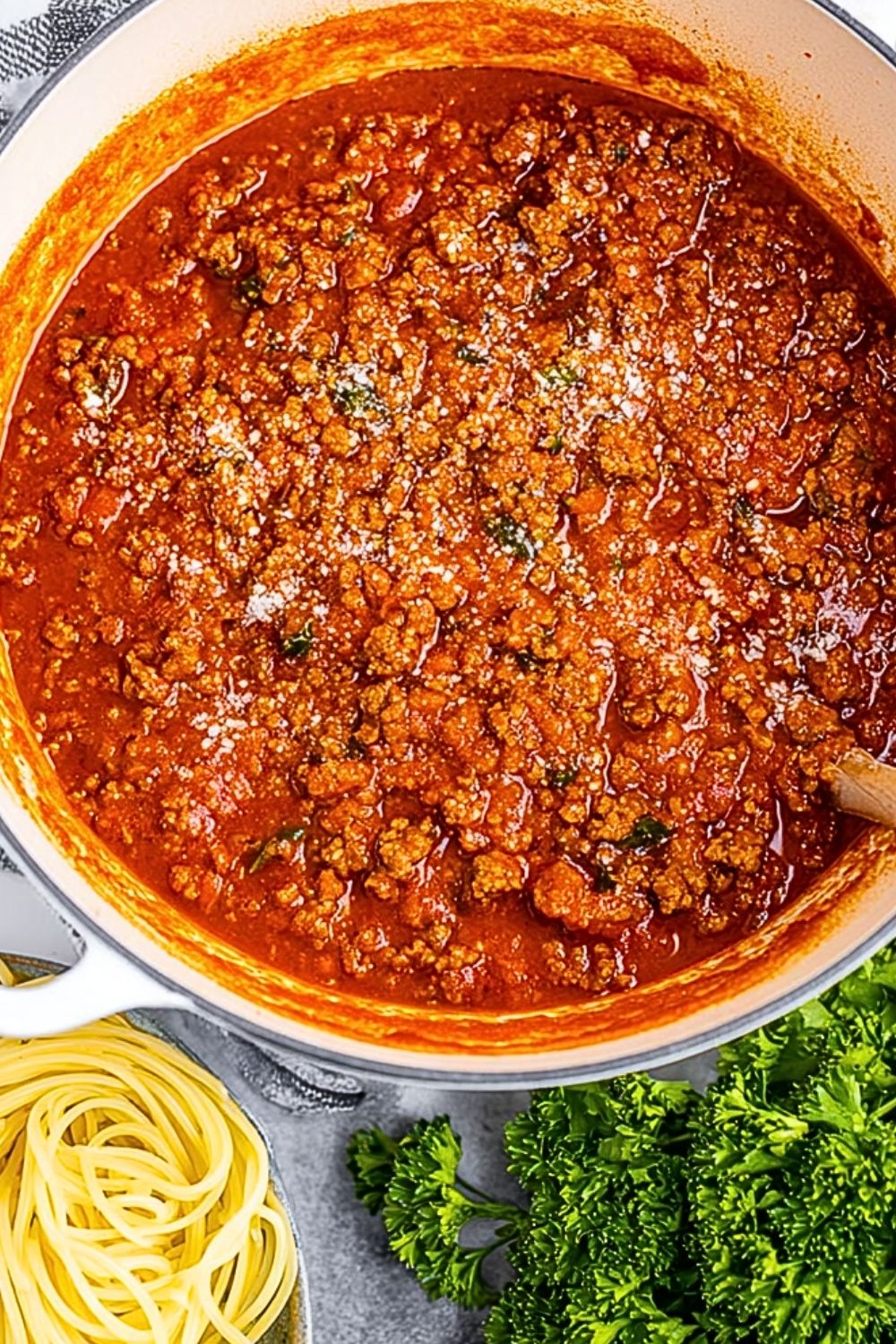
My version of Bolognese has become a staple in my kitchen, a go-to for dinner parties, cozy weekends, or just a batch to freeze for later. What makes this recipe special is the balance—each ingredient shines without overpowering the others, and the texture is thick enough to cling to every ribbon of pasta. It’s a timeless classic that I keep coming back to, and I know you’ll fall in love with it too.
Why You’ll Love This Bolognese Sauce
This Bolognese sauce is the ultimate comfort food, offering deep, savory flavor and a rich texture that coats pasta beautifully. Whether you’re making a weeknight dinner or planning a special meal, it brings restaurant-level quality to your table. Plus, it’s freezer-friendly and even better the next day.
What Kind of Meat Should I Use?
Traditionally, Bolognese uses a combination of ground beef and pork for depth of flavor. I prefer using an 80/20 ground beef paired with mild Italian sausage, but you can also use ground veal or even ground turkey for a leaner version. The key is to have a mix of fat and lean to get that luscious texture and full-bodied taste.
Options for Substitutions
If you’re avoiding red meat, ground turkey or chicken can work well—just add a splash of olive oil for richness. Vegetarian? Swap the meat for finely chopped mushrooms and lentils to mimic the texture. Don’t have wine? Use broth or a splash of balsamic vinegar for depth. And for dairy-free, skip the milk finish or use a splash of oat or almond milk instead.
Ingredients for This Bolognese Sauce
- Ground Beef (80/20): Provides the hearty base of the sauce with a good balance of fat and flavor.
- Italian Sausage (mild or spicy): Adds complexity, seasoning, and richness to the meat mixture.
- Yellow Onion: Essential for building a flavorful base with natural sweetness as it cooks down.
- Carrot: Grated or finely diced, it adds subtle sweetness and a touch of earthiness.
- Celery: Gives aromatic depth and balances the sauce with a slight bitterness.
- Garlic: Brings in bold, savory notes that tie the flavors together.
- Tomato Paste: Intensifies the tomato flavor and helps create a thicker, richer sauce.
- Crushed Tomatoes: Acts as the main body of the sauce, giving it that classic, rich red color.
- Red Wine: Deepens the flavor and adds a hint of acidity that cuts through the richness.
- Whole Milk: Softens the acidity of the tomatoes and gives the sauce a velvety texture.
- Olive Oil: Used for sautéing the vegetables and browning the meat.
- Salt & Black Pepper: Basic seasonings to enhance all the other flavors.
- Italian Seasoning or Dried Oregano & Basil: Adds that unmistakable Italian herb flavor.
- Bay Leaf (optional): Infuses the sauce with subtle herbal notes during simmering.
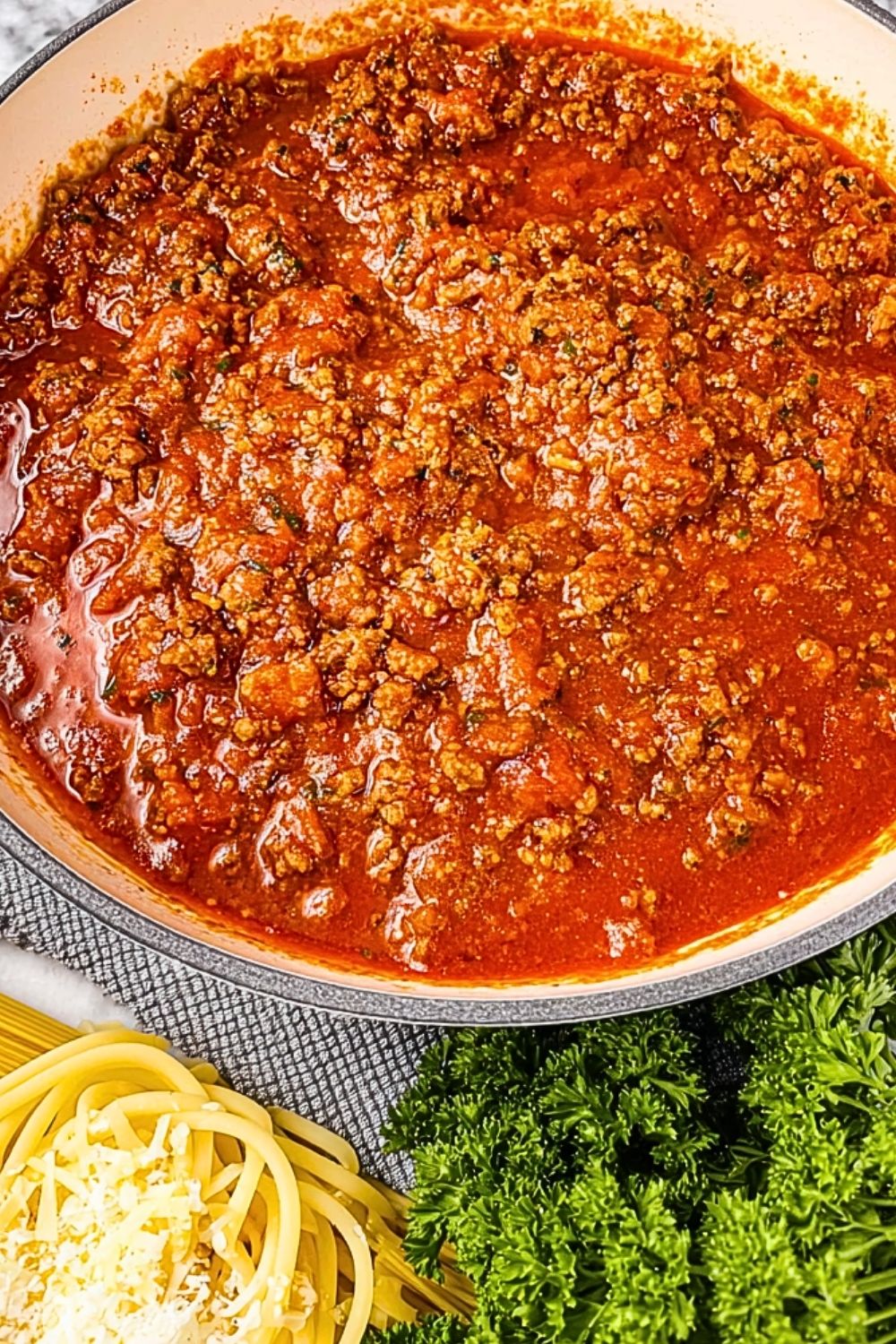
Step 1: Sauté the Aromatics
Heat olive oil in a large, heavy-bottomed pot or Dutch oven over medium heat. Add the diced onions, carrots, and celery. Cook until they’re softened and the onions are translucent, about 5-7 minutes. Stir in the garlic and cook for another minute.
Step 2: Brown the Meat
Add the ground beef and sausage to the pot. Use a wooden spoon to break up the meat as it cooks. Cook until the meat is no longer pink and starts to brown slightly—this adds a deeper flavor to your sauce.
Step 3: Stir in Tomato Paste
Add the tomato paste and stir it into the meat mixture. Let it cook for about 2-3 minutes to caramelize slightly, enhancing the umami flavor of the sauce.
Step 4: Deglaze with Wine
Pour in the red wine and stir, scraping the bottom of the pot to lift all the browned bits (fond). Let it simmer for about 5 minutes until the alcohol has mostly evaporated and the flavor concentrates.
Step 5: Add Crushed Tomatoes & Seasoning
Stir in the crushed tomatoes, Italian seasoning, salt, pepper, and bay leaf. Bring the mixture to a low simmer.
Step 6: Simmer Low and Slow
Reduce heat to low, partially cover the pot, and let the sauce simmer gently for 1.5 to 2 hours. Stir occasionally to prevent sticking. The longer it simmers, the richer the flavor.
Step 7: Finish with Milk
In the last 10-15 minutes of cooking, stir in the milk. This will mellow the acidity of the tomatoes and add a smooth finish.
Step 8: Taste and Adjust
Taste the sauce and adjust salt, pepper, or herbs as needed. Remove the bay leaf. Serve hot over your favorite pasta.
How Long to Prepare the Bolognese Sauce
Making Bolognese is a process of patience and love. While the hands-on time isn’t overwhelming, allowing the sauce to slowly develop over a couple of hours is what turns it into something extraordinary.
Preparation Time: Chopping vegetables and prepping the ingredients takes about 15–20 minutes. Cooking the aromatics and browning the meat adds another 15–20 minutes.
Simmering Time: The sauce truly comes to life during a long, slow simmer—ideally between 1.5 to 2 hours. This is when the flavors deepen, the sauce thickens, and it becomes that rich, velvety consistency Bolognese is known for.
Tips for Perfect Bolognese Sauce
- Use a heavy-bottomed pot or Dutch oven to maintain even heat and prevent burning.
- Don’t rush the simmering time. The longer it simmers, the better it tastes.
- Deglaze properly after browning the meat to lift all that flavor from the bottom of the pan.
- Add milk toward the end to mellow the acidity and create a luxurious texture.
- Taste and adjust the seasoning at the end; this small step makes a big difference.
Watch Out for These Mistakes While Cooking
- Skipping the soffritto (onion, carrot, celery) base—this aromatic trio is essential.
- Using lean meat only can result in a dry sauce; fat equals flavor and richness.
- Pouring in too much wine can overpower the sauce—let it reduce well.
- Boiling instead of simmering—keep it at a gentle bubble to avoid tough meat.
- Neglecting to stir occasionally—sauce can stick and burn at the bottom if ignored.
What to Serve With Bolognese Sauce?
1. Tagliatelle or Pappardelle
These wide, flat pastas are traditional and perfect for holding the meaty sauce.
2. Garlic Bread
Crunchy and buttery, it’s great for scooping up any extra sauce.
3. Caesar Salad
A fresh, crisp side helps balance the richness of the Bolognese.
4. Roasted Vegetables
Serve with oven-roasted zucchini, bell peppers, or mushrooms for a wholesome meal.
5. Polenta
Creamy polenta is a fantastic alternative base to pasta for a rustic Italian twist.
Storage Instructions
Refrigeration: Let the sauce cool completely, then store in an airtight container for up to 4 days. The flavor actually improves over time.
Freezing: Bolognese freezes beautifully. Divide into portions and freeze for up to 3 months. Thaw overnight in the fridge and reheat on the stove over low heat.
Reheating: Reheat gently in a saucepan, adding a splash of water or broth if needed to loosen it up. Avoid microwaving in plastic containers to preserve taste and texture.
Estimated Nutrition (Per Serving)
- Calories: 340
- Protein: 23g
- Fat: 18g
- Saturated Fat: 7g
- Carbohydrates: 14g
- Fiber: 3g
- Sugar: 7g
- Sodium: 540mg
- Cholesterol: 60mg
Frequently Asked Questions
Can I make this Bolognese in advance?
Yes! In fact, it tastes even better the next day. You can refrigerate or freeze it.
What kind of pasta works best?
Traditionally, tagliatelle or pappardelle are used, but rigatoni, penne, or even spaghetti work well.
Can I use this sauce for lasagna?
Absolutely. Bolognese is one of the best sauces to use in lasagna for a rich, meaty flavor.
How do I make it dairy-free?
Skip the milk or substitute it with a neutral non-dairy milk like oat or almond.
Is this gluten-free?
The sauce itself is gluten-free, but be sure to pair it with gluten-free pasta if needed.
Conclusion
This Bolognese sauce is more than just a meat sauce—it’s a labor of love that turns simple ingredients into something comforting and deeply satisfying. Whether you’re serving it over pasta, layering it in lasagna, or freezing it for future dinners, this recipe is one you’ll keep coming back to. Once you taste the homemade difference, you’ll never go back to jarred sauce again.
The BEST Bolognese Sauce
- Prep Time: 20 minutes
- Cook Time: 2 hours
- Total Time: 2 hours 20 minutes
- Yield: 6 servings
- Category: Dinner
- Method: Simmering
- Cuisine: Italian
Description
Rich, savory, and deeply comforting—this is the BEST Bolognese Sauce you’ll ever make. Slow-simmered to perfection, this hearty Italian meat sauce is layered with flavor from aromatic vegetables, tomatoes, ground beef, sausage, red wine, and a touch of milk. It’s a perfect go-to for an easy dinner, an impressive date night, or weekend batch cooking. Whether you’re looking for quick pasta ideas, hearty dinner recipes, or a freezer-friendly easy recipe, this Bolognese delivers every single time.
Ingredients
2 tablespoons olive oil
1 medium yellow onion, finely chopped
1 medium carrot, finely grated or diced
2 celery stalks, finely chopped
4 cloves garlic, minced
1 pound ground beef (80/20)
1/2 pound mild Italian sausage
2 tablespoons tomato paste
1 cup red wine
28 ounces crushed tomatoes
1 teaspoon dried Italian seasoning (or 1/2 tsp each dried basil and oregano)
1 bay leaf (optional)
1 cup whole milk
1 1/2 teaspoons salt (or to taste)
1/2 teaspoon black pepper (or to taste)
Instructions
1. Heat olive oil in a large pot over medium heat. Add chopped onion, carrot, and celery. Cook for 5–7 minutes until softened. Stir in garlic and cook for another minute.
2. Add ground beef and sausage. Break it up with a spoon and cook until browned and no longer pink.
3. Stir in tomato paste and cook for 2–3 minutes to deepen flavor.
4. Pour in the red wine, scraping the bottom of the pot to deglaze. Let simmer for 5 minutes.
5. Add crushed tomatoes, Italian seasoning, bay leaf (if using), salt, and pepper. Stir well.
6. Bring to a gentle simmer, then reduce heat to low. Cover partially and cook for 1.5 to 2 hours, stirring occasionally.
7. In the final 10–15 minutes, stir in whole milk to mellow acidity and enhance creaminess.
8. Taste and adjust seasoning. Remove bay leaf. Serve hot over your favorite pasta.
Notes
Let the sauce simmer low and slow to develop the richest flavor.
Use whole milk at the end for a silky finish, or dairy-free milk if preferred.
Bolognese is even better the next day—perfect for meal prep or freezing.
Nutrition
- Serving Size: 1 cup
- Calories: 340
- Sugar: 7g
- Sodium: 540mg
- Fat: 18g
- Saturated Fat: 7g
- Unsaturated Fat: 9g
- Trans Fat: 0g
- Carbohydrates: 14g
- Fiber: 3g
- Protein: 23g
- Cholesterol: 60mg
Keywords: easy recipe, bolognese sauce, pasta ideas, Italian dinner, homemade sauce, food ideas