
 Ava Garrison
I still remember the first time I baked this soft and buttery challah bread—the kitchen filled with a warm, slightly sweet aroma that felt like comfort in its purest form. There’s something incredibly satisfying about braiding the dough by hand and watching it transform into a golden, glossy loaf straight out of the oven.
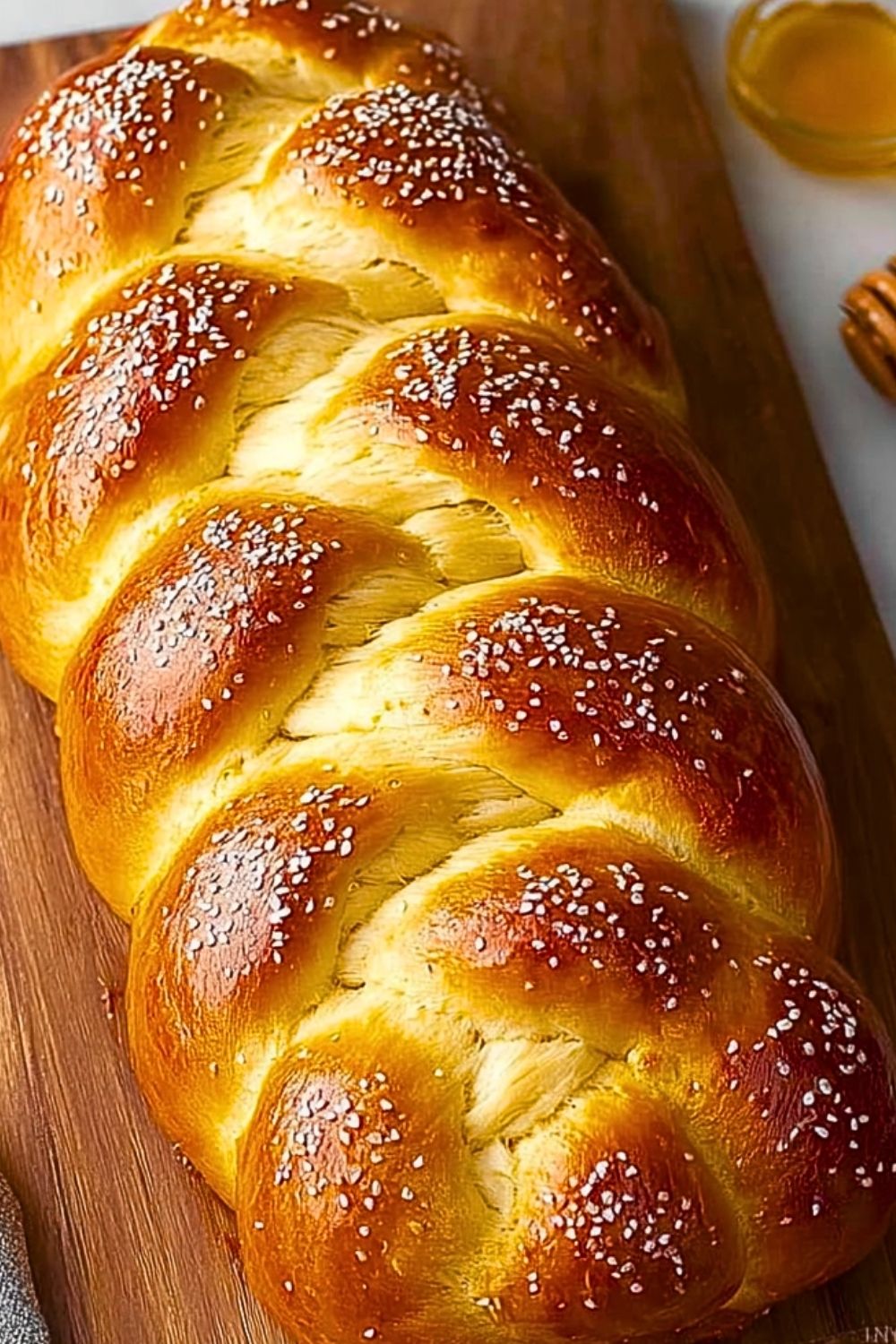
What I love most about this challah bread is how versatile it is. Whether I’m serving it fresh with a drizzle of honey, turning leftovers into rich French toast, or pairing it with a savory meal, it always delivers that perfect balance of softness and flavor.
Why You’ll Love This Soft And Buttery Challah Bread
This challah bread stands out for its incredibly soft texture and rich, buttery flavor. The slight sweetness makes it perfect for both sweet and savory dishes, while the beautiful braided design gives it an impressive, bakery-style look. It’s also surprisingly simple to make once you get the hang of the braiding process.
What Makes This Soft And Buttery Challah Bread So Soft and Fluffy?
The secret lies in the enriched dough—eggs, butter, and a touch of sugar work together to create that tender crumb and pillowy texture. Proper kneading and allowing enough time for the dough to rise are just as important, helping develop structure while keeping the bread light.
Options for Substitutions
If you need to adapt this recipe, there are a few easy swaps you can make without compromising the result. You can replace butter with a neutral oil for a dairy-free version, or use plant-based milk if needed. Honey can be swapped with sugar or maple syrup, and all-purpose flour can be partially substituted with bread flour for a slightly chewier texture.
Ingredients for this Soft And Buttery Challah Bread
Flour – The backbone of the dough, providing structure and chew. Using all-purpose flour keeps the bread soft, while bread flour can add a slightly firmer texture.
Eggs – Essential for richness, color, and that signature tender crumb. They also help give the challah its beautiful golden hue.
Butter – Adds richness and a soft, melt-in-your-mouth texture. It also enhances the overall flavor profile.
Sugar – Brings a subtle sweetness that defines challah and helps feed the yeast for a good rise.
Yeast – The leavening agent that makes the bread light and airy. Active dry yeast or instant yeast both work well.
Milk or Water – Hydrates the dough. Milk adds extra richness, while water keeps it lighter.
Salt – Balances the sweetness and enhances all the flavors in the bread.
Honey – Adds depth of sweetness and contributes to the soft texture and slight gloss.
Egg Wash – A mixture of egg and a splash of water or milk, brushed on top to create that shiny, golden crust.
Sesame Seeds (optional) – Adds a subtle nutty flavor and a classic decorative finish.
Step 1: Activate the Yeast
In a bowl, combine warm milk or water (about 100–110°F / 38–43°C) with sugar and yeast. Stir gently and let it sit for 5–10 minutes until it becomes foamy. This step ensures the yeast is active and ready to help the dough rise.
Step 2: Mix the Wet Ingredients
In a large mixing bowl, whisk together the eggs, melted butter, and honey until smooth. This creates the rich base that gives challah its signature flavor and texture.
Step 3: Combine Wet and Dry Ingredients
Add the activated yeast mixture into the egg mixture. Gradually mix in the flour and salt, stirring until a shaggy dough forms. Make sure everything is well incorporated but avoid overmixing at this stage.
Step 4: Knead the Dough
Transfer the dough to a lightly floured surface and knead for about 8–10 minutes until it becomes smooth, elastic, and slightly tacky. Proper kneading develops gluten, which gives the bread its structure and chew.
Step 5: First Rise (Bulk Fermentation)
Place the dough in a lightly greased bowl, cover it with a clean towel or plastic wrap, and let it rise in a warm place for 1 to 2 hours, or until it doubles in size. This step is crucial for achieving a light and airy texture.
Step 6: Divide and Shape
Punch down the dough gently to release excess air. Divide it into equal portions depending on your braid style (commonly 3, 4, or 6 strands). Roll each portion into long ropes of equal length.
Step 7: Braid the Dough
Arrange the ropes and braid them tightly but gently. Tuck the ends underneath to create a neat loaf. Braiding not only looks beautiful but also helps the bread bake evenly.
Step 8: Second Rise (Proofing)
Place the braided dough on a parchment-lined baking sheet. Cover loosely and let it rise again for 30–60 minutes until puffy. This second rise ensures a soft, fluffy interior.
Step 9: Apply Egg Wash and Toppings
Brush the loaf generously with egg wash to achieve a glossy finish. Sprinkle sesame seeds or other toppings if desired.
Step 10: Bake the Challah
Preheat your oven to 350°F (175°C). Bake for 25–35 minutes until the loaf is deep golden brown and sounds hollow when tapped on the bottom.
Step 11: Cool Before Serving
Transfer the baked challah to a wire rack and allow it to cool completely before slicing. This helps set the crumb and prevents the bread from becoming gummy.
How Long to Prepare This Soft And Buttery Challah Bread
Preparing this soft and buttery challah bread takes a bit of patience, but the process is incredibly rewarding. The total time is usually around 3 to 4 hours, including rising and baking. Most of this time is hands-off, allowing the dough to develop flavor and texture naturally.
The active preparation time is about 25 to 35 minutes, which includes mixing, kneading, and shaping the dough. The first rise typically takes 1 to 2 hours, while the second rise adds another 30 to 60 minutes. Baking usually takes 25 to 35 minutes, depending on your oven.
Tips for Perfect Soft And Buttery Challah Bread
For the best results, make sure your ingredients are at room temperature, especially the eggs and butter. This helps the dough come together more smoothly and evenly.
Knead the dough thoroughly until it becomes elastic and slightly tacky. Under-kneading can result in dense bread, while proper kneading ensures a light and airy crumb.
Allow enough time for both rises. Rushing the proofing process can lead to a heavy loaf instead of the soft, fluffy texture you’re aiming for.
When braiding, keep the strands even in thickness to ensure uniform baking. This also improves the overall appearance of the loaf.
Brush the egg wash generously and evenly for that signature glossy, golden crust.
Watch Out for These Mistakes While Cooking
Using water or milk that is too hot can kill the yeast, preventing the dough from rising properly. Always aim for a warm—not hot—temperature.
Adding too much flour can make the bread dry and dense. The dough should be slightly sticky but manageable.
Skipping or shortening the rise times will affect both texture and flavor. Proper fermentation is key.
Overbaking can dry out the bread, so keep an eye on the color and check for doneness.
Not letting the bread cool before slicing can result in a gummy interior.
What to Serve With Soft And Buttery Challah Bread?
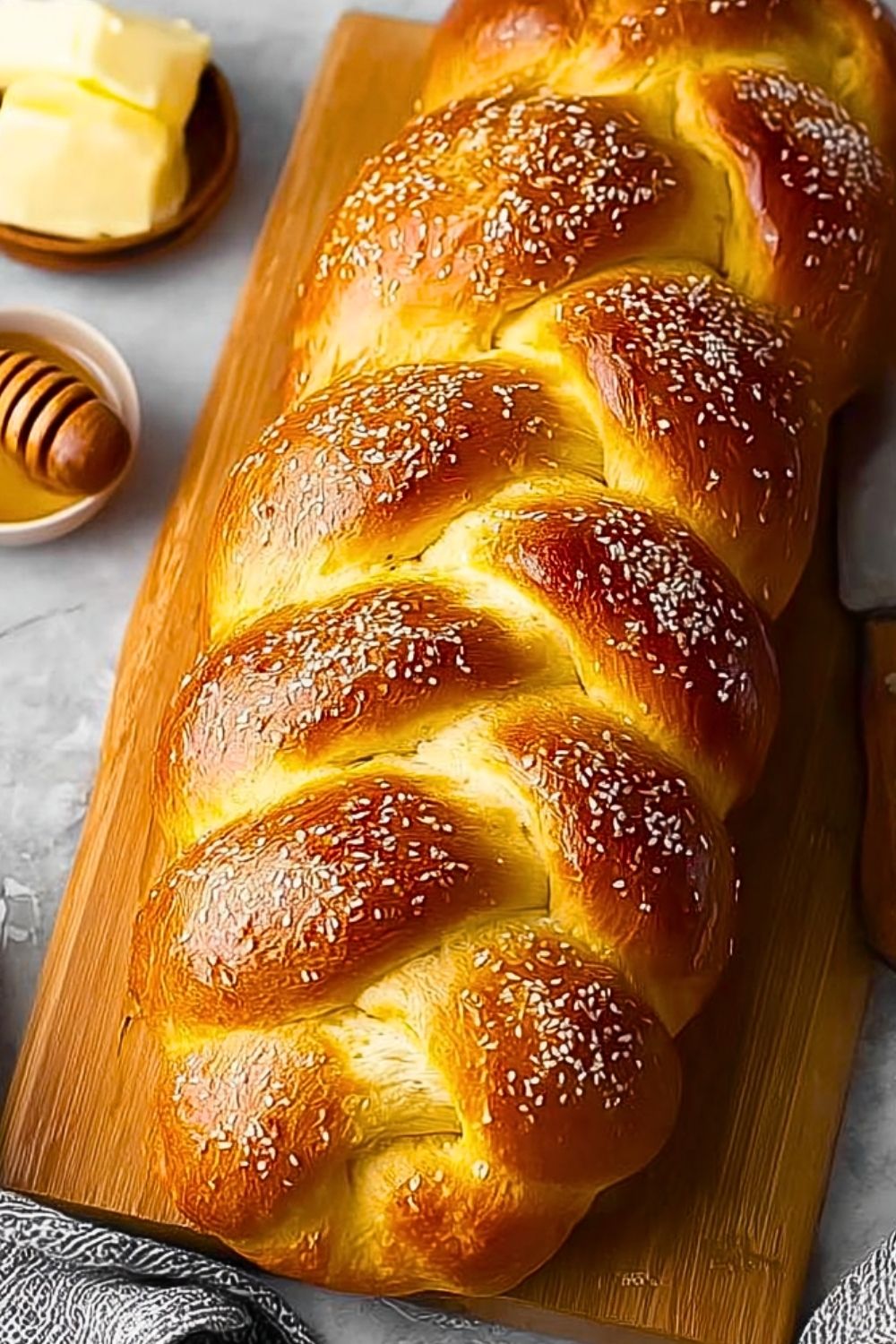
Honey and Butter
A simple yet classic pairing that highlights the bread’s natural sweetness and soft texture.
French Toast
Challah makes one of the best bases for rich, custardy French toast thanks to its structure and flavor.
Soup or Stew
Serve alongside hearty soups or stews to soak up all the delicious flavors.
Sandwiches
Use slices for gourmet sandwiches—both sweet and savory options work beautifully.
Jam or Preserves
Fruit spreads add a bright contrast to the buttery richness of the bread.
Storage Instructions
To keep your challah fresh, store it at room temperature in an airtight container or tightly wrapped in plastic wrap. It will stay soft for up to 2 to 3 days.
If you want to store it longer, you can refrigerate it, but keep in mind that refrigeration may slightly dry out the bread. Reheat gently before serving to restore softness.
For long-term storage, slice the challah and freeze it in a sealed bag for up to 2 months. Thaw at room temperature or warm slices directly in the oven or toaster.
Estimated Nutrition
Each serving of challah bread provides a balance of carbohydrates, fats, and protein. It is moderately calorie-dense due to the eggs and butter, making it both satisfying and energy-rich.
On average, one slice contains approximately 180–220 calories, along with small amounts of protein and essential nutrients from the eggs.
Frequently Asked Questions
Can I make challah bread without dairy?
Yes, you can substitute butter with a neutral oil and use water or plant-based milk instead of regular milk.
Why didn’t my dough rise properly?
This is often due to inactive yeast or using liquid that was too hot or too cold.
Can I make the dough ahead of time?
Absolutely. You can refrigerate the dough after the first rise and shape it the next day.
How do I know when the challah is fully baked?
The bread should be golden brown and sound hollow when tapped on the bottom.
Can I freeze challah bread?
Yes, challah freezes very well. Slice it first for easy reheating.
Conclusion
This soft and buttery challah bread is more than just a recipe—it’s an experience from start to finish. From kneading and braiding to the irresistible aroma as it bakes, every step brings a sense of comfort and accomplishment.
Once you try it, you’ll find yourself coming back to this recipe again and again, whether for special occasions or simply to enjoy a homemade treat.
Soft And Buttery Challah Bread
- Prep Time: 30 minutes
- Cook Time: 30 minutes
- Total Time: 3 hours
- Yield: 1 loaf (10 slices)
- Category: Bread
- Method: Baking
- Cuisine: Jewish
- Diet: Vegetarian
Description
This soft and buttery challah bread is a true bakery-style treat you can make at home. With its golden braided crust, fluffy interior, and slightly sweet flavor, it’s perfect for a quick breakfast, easy dinner side, or even a healthy snack twist when paired with wholesome toppings. Whether you’re looking for breakfast ideas, dinner ideas, or just an easy recipe to elevate your food ideas, this challah bread delivers every time.
Ingredients
4 cups all-purpose flour
3 large eggs
1/2 cup unsalted butter melted
1/4 cup sugar
2 1/4 teaspoons active dry yeast
1 cup warm milk
1 teaspoon salt
2 tablespoons honey
1 egg for egg wash
2 tablespoons sesame seeds
Instructions
1. Activate the yeast by mixing warm milk, sugar, and yeast. Let it sit until foamy.
2. Whisk eggs, melted butter, and honey until smooth.
3. Combine yeast mixture with wet ingredients and add flour and salt gradually.
4. Mix until a dough forms, then knead on a floured surface.
5. Knead for 8–10 minutes until smooth and elastic.
6. Place in a greased bowl, cover, and let rise until doubled.
7. Punch down, divide, and shape into ropes.
8. Braid the dough and place on baking sheet.
9. Let rise again until puffy.
10. Brush with egg wash and sprinkle sesame seeds.
11. Bake at 350°F until golden brown.
12. Cool completely before slicing.
Notes
Use room temperature ingredients for best results.
Do not over-flour the dough to maintain softness.
Allow the bread to cool fully before cutting.
Nutrition
- Serving Size: 1 slice
- Calories: 200
- Sugar: 5g
- Sodium: 180mg
- Fat: 7g
- Saturated Fat: 3g
- Unsaturated Fat: 3g
- Trans Fat: 0g
- Carbohydrates: 28g
- Fiber: 1g
- Protein: 5g
- Cholesterol: 55mg
Keywords: challah bread, easy bread recipe, homemade bread, breakfast ideas, dinner ideas