
 Ava Garrison
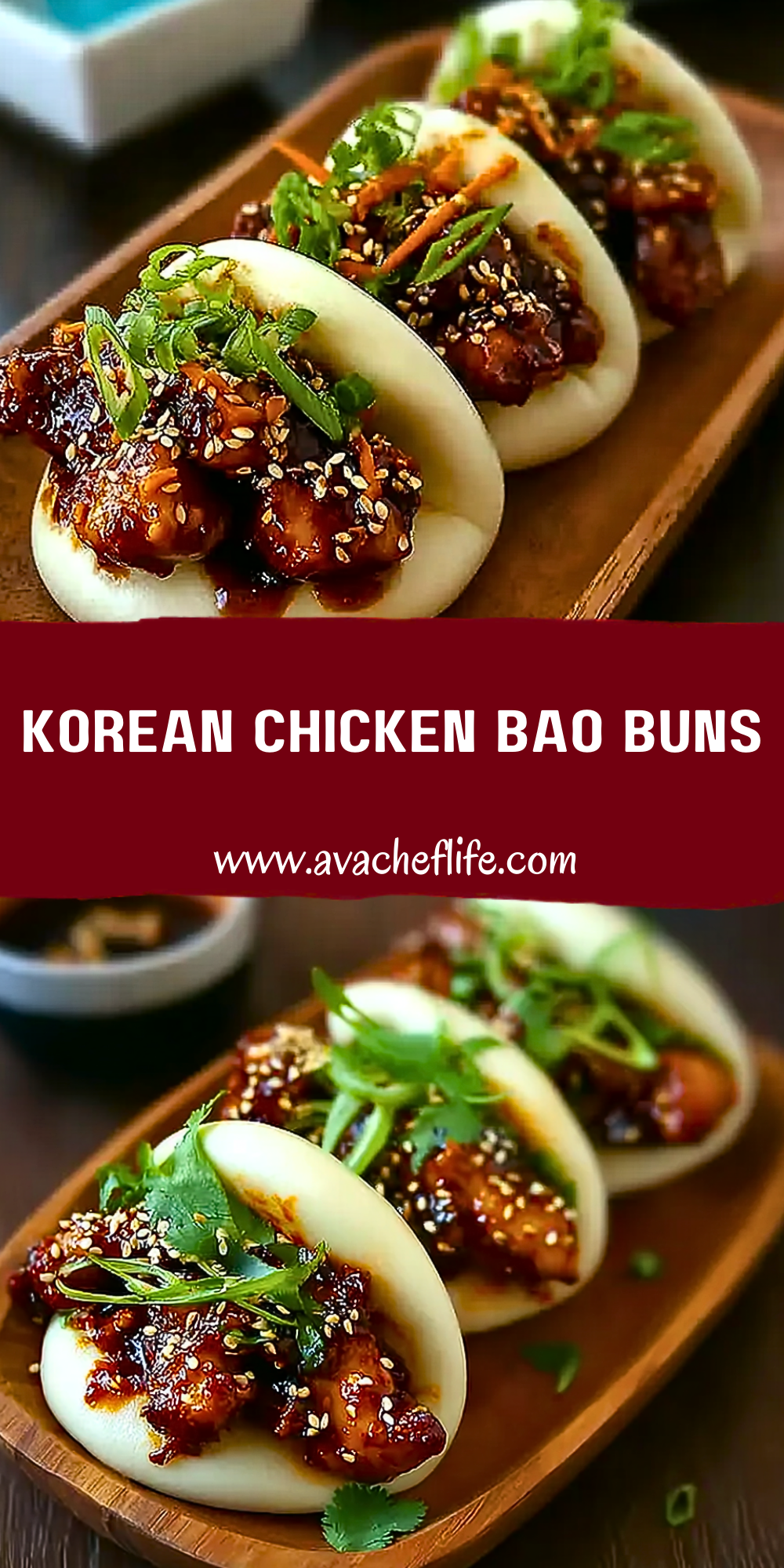
The first time I bit into a Korean Chicken Bao Bun, I was hooked. That soft, fluffy steamed bun paired with crispy, spicy-sweet chicken and a sprinkle of sesame seeds and scallions was a flavor explosion I didn’t see coming. It’s one of those bites that feels like comfort food and street food all at once — bold, juicy, and perfectly balanced.
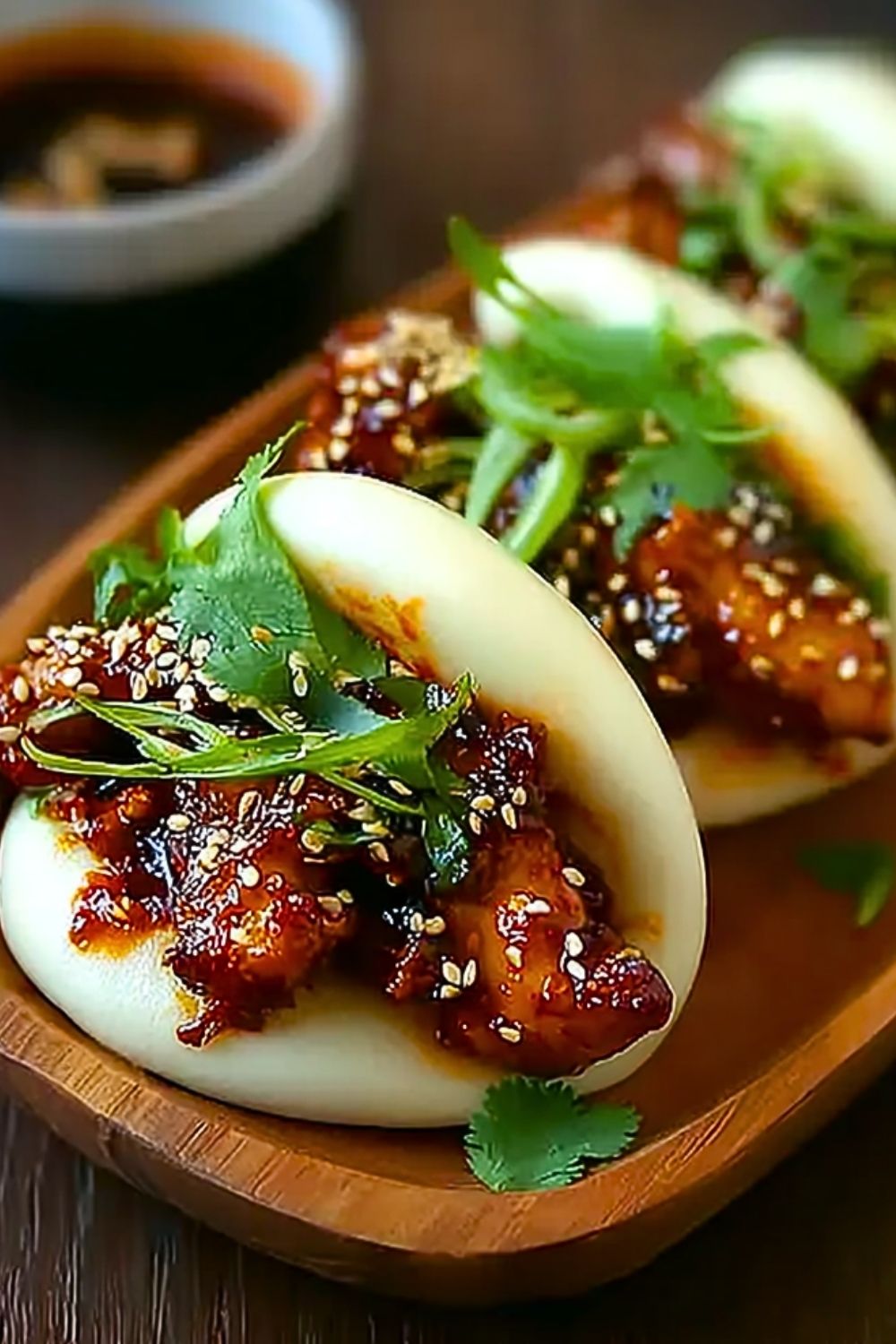
I started making these at home after a trip to a night market where they were served hot from a bamboo steamer. The mix of gochujang heat, sticky glaze, and pillowy bao became an instant favorite for me. Whether it’s a weekend treat or something special for guests, these Korean Chicken Bao Buns always get rave reviews.
Why You’ll Love These Korean Chicken Bao Buns
They’re the perfect fusion of textures and flavors: soft bao buns, crispy chicken, and a sticky, savory-sweet Korean glaze. The dish is customizable, visually impressive, and fun to eat. Plus, it’s ideal for meal prep — just steam the buns and reheat the chicken when ready to serve.
What Kind of Bao Buns Should I Use?
You can use homemade bao buns if you’re feeling adventurous, but store-bought frozen ones work beautifully and save a ton of time. Look for “gua bao” or “lotus buns” in the frozen aisle of most Asian grocery stores. Just steam them until soft and fluffy — they’re the perfect pocket for the bold chicken filling.
Options for Substitutions
If you’re avoiding fried food, you can bake or air-fry the chicken for a lighter option. For a vegetarian version, crispy tofu or cauliflower tossed in the same Korean glaze works just as well. Can’t find gochujang? Try a mix of sriracha and a bit of miso paste for a similar flavor profile.
Ingredients for Korean Chicken Bao Buns
- Bao Buns (Frozen or Homemade) – These are the essential soft carriers that make bao buns what they are. Fluffy and slightly sweet, they contrast perfectly with the spicy chicken.
- Boneless Chicken Thighs – Juicy and flavorful, they hold up well to frying and absorb the glaze better than breast meat.
- Cornstarch – Used for coating the chicken to create an extra-crispy crust when fried.
- Salt and Pepper – Basic seasoning for the chicken before coating.
- Vegetable Oil – For deep frying the chicken to a perfect golden brown.
- Gochujang (Korean Chili Paste) – This fermented paste brings heat, sweetness, and umami to the glaze.
- Soy Sauce – Adds saltiness and depth to the glaze.
- Honey – Balances the heat of gochujang with a sweet touch.
- Garlic (Minced) – Brings pungency and savoriness to the sauce.
- Rice Vinegar – Cuts through the sweetness and balances the glaze with acidity.
- Sesame Oil – A finishing touch for that signature nutty flavor.
- Green Onions (Sliced) – For freshness and crunch on top.
- Toasted Sesame Seeds – Adds nutty flavor and visual appeal.
Step 1: Prepare the Chicken
Cut boneless chicken thighs into bite-sized pieces. Season them lightly with salt and pepper, then toss them in cornstarch until well coated. This creates the crisp outer layer when fried.
Step 2: Fry the Chicken
Heat vegetable oil in a deep pan or fryer to 350°F (175°C). Fry the chicken in batches to avoid overcrowding the pan. Cook until golden brown and crispy, about 4–5 minutes. Drain on a paper towel-lined plate.
Step 3: Make the Korean Glaze
In a saucepan over medium heat, combine gochujang, soy sauce, honey, minced garlic, rice vinegar, and a touch of sesame oil. Simmer for 3–5 minutes until slightly thickened, stirring constantly.
Step 4: Toss the Chicken in Sauce
Add the fried chicken directly into the glaze while it’s still warm. Toss well until every piece is coated evenly and glistening with flavor.
Step 5: Steam the Bao Buns
If using frozen bao buns, steam them in a bamboo steamer or over boiling water for about 5–7 minutes until soft and heated through. Avoid over-steaming, or they’ll get soggy.
Step 6: Assemble the Bao Buns
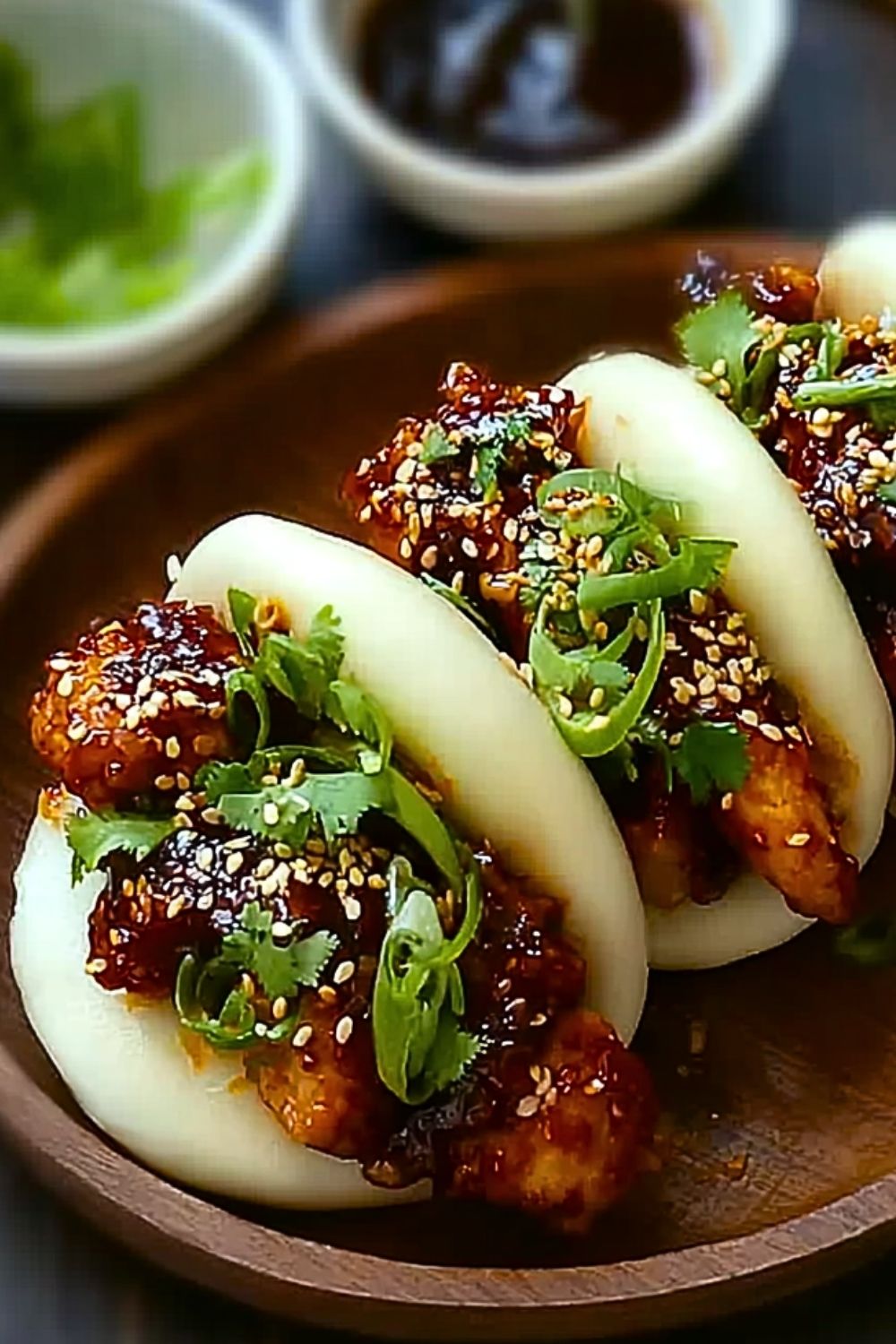
Carefully open each steamed bao bun. Fill with glazed Korean chicken, top with sliced green onions, and sprinkle with toasted sesame seeds. Serve immediately while hot and fresh.
How Long to Prepare Korean Chicken Bao Buns
Prep Time: Most of your prep will go into cutting the chicken, gathering and measuring the sauce ingredients, and prepping the steamer. This takes about 20–25 minutes. Using frozen bao buns reduces active time significantly.
Cooking Time: Frying the chicken in batches takes around 10–15 minutes. Simmering the glaze and steaming the buns add another 10 minutes. Altogether, you can expect the total cook time to be about 25 minutes. So from start to finish, you’re looking at roughly 45–50 minutes to get everything on the table.
Tips for Perfect Korean Chicken Bao Buns
- Use chicken thighs for the best texture and flavor. They stay juicy even after frying.
- Don’t overcrowd your frying oil. Small batches = crispier chicken.
- Toss the chicken in sauce right before assembling so it doesn’t get soggy.
- Warm bao buns just before serving to keep them fluffy and moist.
- Add fresh garnishes like scallions and sesame seeds for crunch and balance.
Watch Out for These Mistakes While Cooking
- Over-steaming the buns: Too long and they become wet and sticky.
- Not coating the chicken well: A thin or patchy cornstarch layer leads to uneven crisping.
- Sauce too thick or too thin: Simmer just until it clings — overcooked sauce gets sticky and overly salty.
- Using cold oil: The chicken will absorb too much oil and get greasy. Always check temperature.
- Letting the chicken sit too long after frying: It loses its crunch quickly, so serve immediately after saucing.
What to Serve With Korean Chicken Bao Buns?
1. Quick Pickled Cucumbers
Their cool crunch and acidity perfectly balance the spicy-sweet chicken.
2. Kimchi
A classic Korean fermented side that brings heat, tang, and probiotic goodness.
3. Sweet Potato Fries
Crispy and slightly sweet, they add a fun contrast on the plate.
4. Asian Slaw
Cabbage, carrots, and a sesame dressing add freshness and crunch.
5. Miso Soup
A warm, savory starter that pairs nicely without overwhelming the palate.
Storage Instructions
Leftover Chicken: Store sauced or unsauced chicken in an airtight container in the fridge for up to 3 days. Reheat in a skillet or air fryer for best texture.
Bao Buns: Keep unused buns in the freezer. Re-steam directly from frozen for 5–7 minutes.
Fully Assembled Buns: Not recommended for storage — the buns get soggy and the chicken loses its crisp. Always assemble fresh when ready to eat.
Estimated Nutrition (per filled bao bun)
- Calories: ~280 kcal
- Protein: 15g
- Carbohydrates: 28g
- Fat: 12g
- Saturated Fat: 2g
- Sugar: 8g
- Sodium: 520mg
- Fiber: 1g
- Cholesterol: 45mg
Frequently Asked Questions
Can I make the chicken ahead of time?
Yes, you can fry the chicken and store it unsauced. Reheat and toss in sauce just before serving.
Are there gluten-free options for this recipe?
Absolutely. Use gluten-free soy sauce and check your bao buns or make gluten-free versions at home.
What’s a good vegetarian alternative?
Crispy tofu or cauliflower works beautifully. Just follow the same method with frying and saucing.
Can I air fry the chicken instead?
Yes! Coat the chicken with cornstarch, spray with oil, and air fry at 400°F for 12–15 minutes, flipping halfway.
Where can I buy bao buns?
Asian grocery stores usually carry them in the freezer section. Look for labels like “gua bao” or “lotus buns.”
Conclusion
Korean Chicken Bao Buns are one of those dishes that deliver maximum flavor with minimal fuss. Crispy, juicy chicken wrapped in a soft, steamy bun and coated with a spicy-sweet Korean glaze — it’s a dish that hits every note. Whether you’re hosting a dinner or just indulging in something special for yourself, this recipe guarantees satisfaction in every bite. Serve hot, serve fresh, and don’t forget the sesame sprinkle on top!
Korean Chicken Bao Buns
- Prep Time: 25 minutes
- Cook Time: 25 minutes
- Total Time: 50 minutes
- Yield: 6 filled bao buns
- Category: Main Course
- Method: Frying and Steaming
- Cuisine: Korean Fusion
Description
Craving something bold, juicy, and packed with flavor? These Korean Chicken Bao Buns deliver just that — a perfect balance of crispy fried chicken coated in a spicy-sweet gochujang glaze, all tucked inside fluffy, pillowy steamed bao buns. They’re a quick dinner idea with street-food flair, perfect for your next dinner party, weekend treat, or easy recipe for entertaining. With the perfect combo of texture and heat, these buns are sure to impress!
Ingredients
6 bao buns (frozen or homemade)
500g boneless chicken thighs
1/2 cup cornstarch
1/2 teaspoon salt
1/4 teaspoon black pepper
2 cups vegetable oil (for frying)
2 tablespoons gochujang
1 tablespoon soy sauce
1 tablespoon honey
2 cloves garlic (minced)
1 tablespoon rice vinegar
1 teaspoon sesame oil
2 stalks green onions (sliced)
1 tablespoon toasted sesame seeds
Instructions
1. Cut boneless chicken thighs into bite-sized pieces. Season with salt and pepper. Toss thoroughly in cornstarch until evenly coated.
2. Heat vegetable oil to 350°F (175°C) in a deep pan. Fry chicken in batches for 4–5 minutes or until golden and crispy. Drain on paper towels.
3. In a saucepan over medium heat, combine gochujang, soy sauce, honey, garlic, rice vinegar, and sesame oil. Simmer for 3–5 minutes until the glaze thickens.
4. Add fried chicken into the glaze and toss until every piece is evenly coated.
5. Steam bao buns for 5–7 minutes until soft and fluffy. Do not over-steam to avoid sogginess.
6. Gently open each steamed bun. Fill with glazed chicken, top with sliced green onions and a sprinkle of toasted sesame seeds. Serve hot.
Notes
Make sure oil is hot enough (350°F) before frying for ultimate crispiness.
Toss chicken in the glaze right before serving to maintain the crisp texture.
Steamed bao buns should be soft but not overcooked — check texture after 5 minutes.
Nutrition
- Serving Size: 1 filled bao bun
- Calories: 280
- Sugar: 8g
- Sodium: 520mg
- Fat: 12g
- Saturated Fat: 2g
- Unsaturated Fat: 9g
- Trans Fat: 0g
- Carbohydrates: 28g
- Fiber: 1g
- Protein: 15g
- Cholesterol: 45mg
Keywords: Korean chicken, bao buns, easy dinner, spicy chicken, street food, dinner ideas