
 Ava Garrison
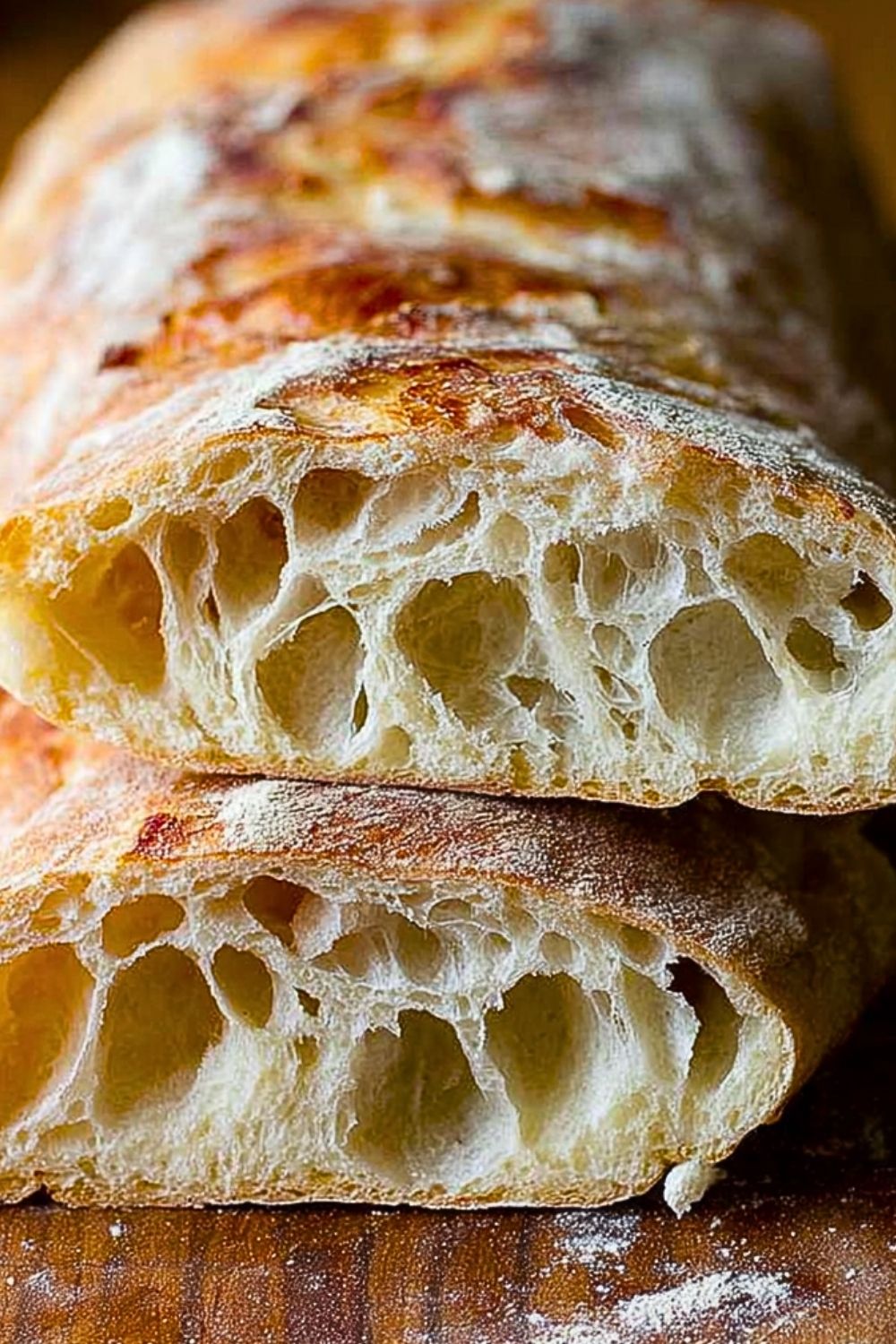
Making ciabatta bread at home is one of the most satisfying kitchen projects I’ve taken on. It’s rustic, it’s flavorful, and that airy, open crumb is just irresistible. The dough itself is sticky and stretchy, but once you get the hang of working with it, you’ll find that it’s surprisingly forgiving. There’s something magical about seeing those big, beautiful holes form inside, and that crispy, golden crust makes every effort totally worth it.
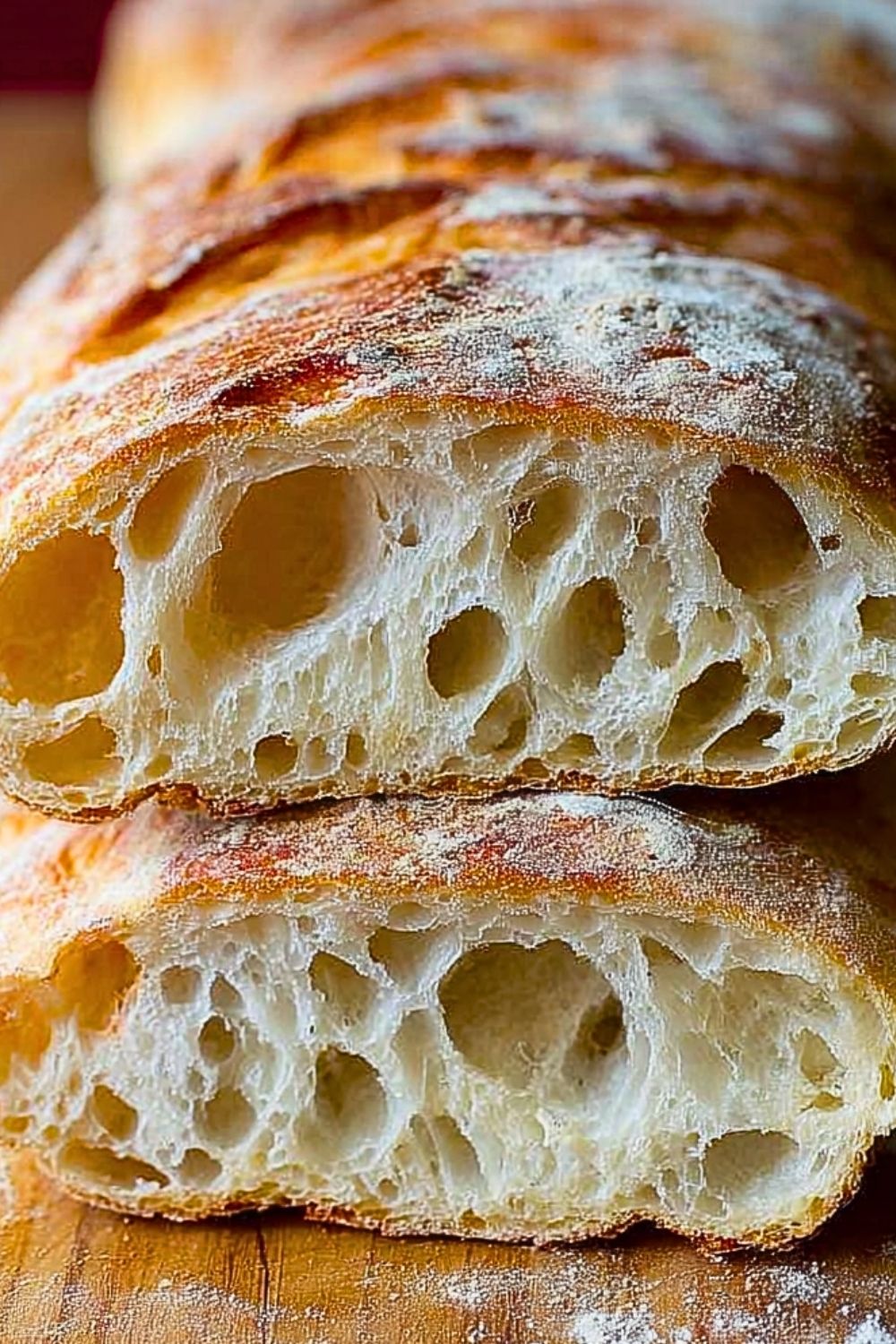
I love baking ciabatta on a lazy weekend when I have time to let the dough develop flavor slowly. The smell that fills the kitchen as it bakes is enough to make you hungry long before it’s done. Whether I’m serving it with a hearty soup or just slathering it with butter and sea salt, homemade ciabatta always feels like a little celebration.
Why You’ll Love This Ciabatta Bread
This bread is all about texture and flavor. The crust is thin and crackly, while the interior is soft, chewy, and riddled with air pockets. It’s perfect for sandwiches, bruschetta, or just tearing apart and dipping into olive oil. The best part? You don’t need a fancy mixer or bread machine—just a bowl, your hands, and a bit of patience.
What Kind of Flour Should I Use for Ciabatta Bread?
Bread flour is your best bet here. It has a higher protein content than all-purpose flour, which gives the dough the strength it needs to trap gas and create those signature air pockets. That said, you can use all-purpose flour in a pinch, but the crumb might be slightly less open.
Options for Substitutions
- Flour: You can swap half of the bread flour for whole wheat flour for a nuttier flavor and a bit more nutrition.
- Yeast: If you only have active dry yeast instead of instant, just proof it in warm water with a pinch of sugar before adding it to the flour.
- Olive oil: You can use any neutral oil if you’re out of olive oil, though the flavor won’t be quite the same.
- Water: For a little extra richness, some people swap part of the water for milk, but I prefer the classic all-water version for that clean flavor and better crust.
Ingredients for This Ciabatta Bread
- Bread Flour – Provides the structure and elasticity needed to achieve those signature large air pockets and chewy texture.
- Warm Water – Hydrates the flour and activates the yeast. The high hydration is key to the open crumb.
- Instant Yeast – Offers a quick and reliable rise without needing a sponge or preferment.
- Salt – Enhances the flavor of the dough and strengthens gluten structure.
- Olive Oil – Adds a subtle richness to the dough and keeps it moist longer after baking.
Step 1: Mix the Dough
In a large mixing bowl, combine the bread flour, instant yeast, and salt. Slowly pour in the warm water and olive oil, mixing with a wooden spoon or your hands until a shaggy, sticky dough forms. Do not knead it—just mix until combined. The dough should feel very wet and loose.
Step 2: First Rise (Bulk Fermentation)
Cover the bowl tightly with plastic wrap or a damp towel. Let the dough rest at room temperature for 1 hour. After the first hour, give it a set of stretch-and-folds: reach under the dough, pull it upward, and fold it over itself. Turn the bowl and repeat 3 more times. Do this every 30 minutes for the next 2 hours (total of 3 sets of folds).
Step 3: Cold Fermentation (Optional but Recommended)
After the final fold, cover the bowl again and refrigerate overnight or up to 24 hours. This step helps deepen the flavor and improve the crumb structure. The dough will be bubbly and more manageable the next day.
Step 4: Shaping the Ciabatta
Flour your work surface generously. Gently turn out the dough, being careful not to deflate it. Dust the top with flour and divide it into two equal portions using a bench scraper. Stretch each portion gently into a rectangle. Do not knead or roll.
Step 5: Final Proof
Transfer the dough pieces onto parchment paper. Cover with a floured kitchen towel and let them proof at room temperature for about 45 minutes to 1 hour, until slightly puffy and jiggly when touched.
Step 6: Preheat the Oven
While the dough proofs, preheat your oven to 450°F (230°C). Place a baking stone or inverted baking sheet in the oven to heat, and a metal tray on the bottom rack for steam.
Step 7: Bake the Bread
Carefully slide the parchment with the dough onto the hot baking surface. Pour a cup of hot water into the bottom tray to create steam and immediately close the door. Bake for 20-25 minutes or until the crust is deep golden brown and crisp. Cool completely on a wire rack before slicing.
How Long to Prepare the Ciabatta Bread
Active Time: You’ll spend about 25-30 minutes actively mixing, stretching, shaping, and baking.
Resting & Fermentation Time: The dough requires around 3 hours of room temperature rise, plus an optional (but highly recommended) overnight cold fermentation in the refrigerator. If you skip the cold ferment, you can bake it the same day, but the flavor won’t be as deep. So, from start to finish, plan on 12 to 24 hours total.
Tips for Perfect Ciabatta Bread
- Use a digital scale for accuracy—hydration is critical in ciabatta.
- Don’t add more flour when mixing; embrace the sticky dough.
- Perform stretch-and-folds gently to build gluten without tearing.
- Preheat your oven thoroughly for best oven spring.
- Let it cool completely before slicing—this sets the crumb properly.
Watch Out for These Mistakes While Cooking
- Adding Too Much Flour: The dough should be wet and sticky. Resist the urge to make it drier.
- Skipping the Stretch-and-Fold: These steps build the structure; don’t skip them.
- Overproofing: If it overproofs during the final rise, it can collapse in the oven.
- No Steam in Oven: Steam is essential for crust development.
- Cutting Too Soon: Cutting into hot bread causes a gummy crumb—be patient.
What to Serve With Ciabatta Bread?
1. Olive Oil & Balsamic Vinegar
A simple and classic starter—just pour good-quality olive oil with a drizzle of balsamic for dipping.
2. Tomato Basil Soup
Perfect for dunking! The crust holds up beautifully without going soggy.
3. Italian Cold Cut Sandwiches
Layer it with mortadella, salami, provolone, and arugula for an unforgettable sandwich.
4. Roasted Garlic Butter
Spread some homemade roasted garlic butter on a warm slice for a rich, savory treat.
5. Grilled Veggie Bruschetta
Top slices with grilled zucchini, peppers, and a smear of ricotta for a vibrant appetizer.
Storage Instructions
Room Temperature: Store ciabatta at room temperature wrapped loosely in parchment or a bread bag for up to 2 days. Avoid plastic bags—they soften the crust.
Freezing: Slice and freeze in a zip-top bag. Reheat directly from frozen in a toaster or oven.
Reheating: To revive a slightly stale loaf, sprinkle lightly with water and warm in the oven at 350°F (175°C) for 10 minutes.
Estimated Nutrition (Per Slice, Based on 1 of 10 Slices from 2 Loaves)
- Calories: 170
- Carbohydrates: 33g
- Protein: 5g
- Fat: 2g
- Saturated Fat: 0.3g
- Cholesterol: 0mg
- Sodium: 290mg
- Fiber: 1g
- Sugar: 0g
Frequently Asked Questions
What makes ciabatta bread different from other breads?
Its high hydration dough and long fermentation create the signature open crumb and chewy texture.
Can I use sourdough starter instead of yeast?
Yes! Replace yeast with 1/2 cup active starter and adjust the flour and water slightly. Fermentation time will increase.
Why is my dough so sticky?
That’s normal. Ciabatta dough is very wet to produce those big holes. Use floured hands and surfaces to manage it.
Can I skip the cold fermentation?
You can, but the flavor won’t be as complex. Cold fermentation also helps improve texture.
How do I know when it’s fully baked?
The crust should be deep golden and it should sound hollow when tapped. An internal temp of 200°F (93°C) confirms doneness.
Conclusion
Making ciabatta bread is a process that rewards patience and technique. That golden crust and open, airy crumb make every step worth it. Whether you’re a seasoned baker or trying this for the first time, the satisfaction of pulling your own artisanal loaf from the oven is unmatched. Serve it warm, store it well, and most of all—enjoy every bite.
Ciabatta Bread
- Prep Time: 25 minutes
- Cook Time: 25 minutes
- Total Time: 12 to 24 hours
- Yield: 2 loaves
- Category: Bread
- Method: Baking
- Cuisine: Italian
- Diet: Vegetarian
Description
If you’ve ever wanted to make artisan bread at home, this *Ciabatta Bread* is a must-try. With its crispy crust, chewy interior, and iconic open crumb, it’s the perfect base for sandwiches, bruschetta, or simply dipping in olive oil. This easy recipe is perfect for those looking for dinner ideas, breakfast ideas, or a reliable go-to for a healthy snack. It’s a no-knead, high-hydration dough that brings professional bakery results to your kitchen with minimal equipment and effort. Whether you’re baking it as part of a quick breakfast or a slow weekend project, this easy recipe guarantees flavor and texture every time.
Ingredients
500g bread flour
400ml warm water
2 tsp instant yeast
2 tsp salt
1 tbsp olive oil
Instructions
1. In a large bowl, combine bread flour, instant yeast, and salt. Gradually add warm water and olive oil, stirring until a sticky dough forms.
2. Cover and let rest for 1 hour. Perform a set of stretch-and-folds. Repeat stretch-and-folds every 30 minutes for 2 more hours (3 sets total).
3. Cover the dough and refrigerate overnight or up to 24 hours.
4. Turn dough out onto a floured surface. Divide into two portions and gently shape into rectangles. Do not deflate.
5. Transfer to parchment paper, cover, and let proof at room temp for 45-60 minutes.
6. Preheat oven to 450°F (230°C) with a baking stone and tray for steam.
7. Slide parchment with dough onto the stone. Pour hot water into the bottom tray and bake 20-25 minutes until golden and crisp.
8. Cool completely before slicing.
Notes
Use a digital scale to measure ingredients for accuracy.
Always allow the bread to cool fully to avoid a gummy crumb.
For best texture and flavor, don’t skip the overnight cold fermentation.
Nutrition
- Serving Size: 1 slice (1 of 10)
- Calories: 170
- Sugar: 0g
- Sodium: 290mg
- Fat: 2g
- Saturated Fat: 0.3g
- Unsaturated Fat: 1.7g
- Trans Fat: 0g
- Carbohydrates: 33g
- Fiber: 1g
- Protein: 5g
- Cholesterol: 0mg
Keywords: ciabatta bread, artisan bread, easy bread recipe, breakfast ideas, dinner ideas, healthy snack