
 Ava Garrison
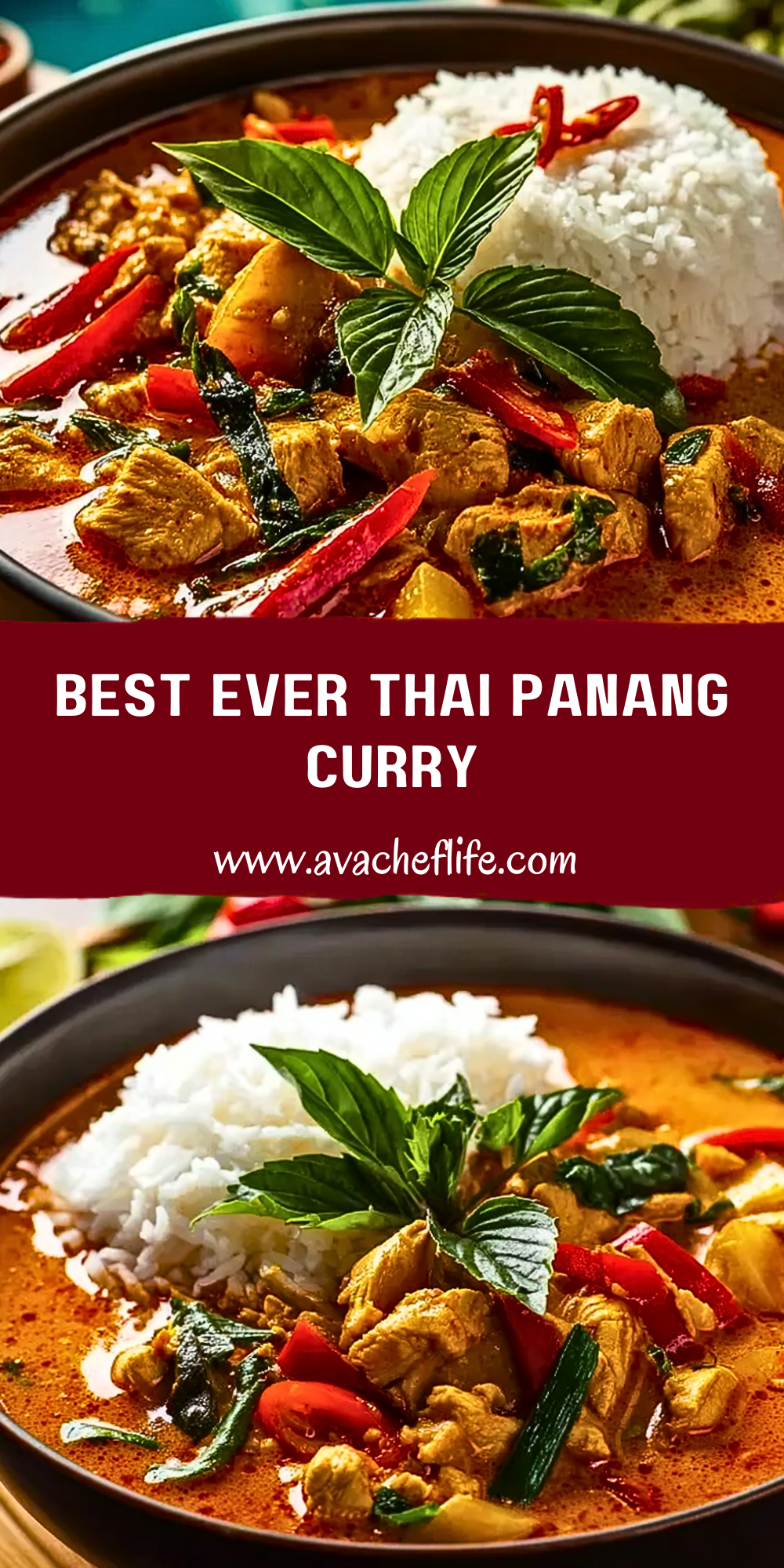
Rich, creamy, and packed with aromatic spices, Thai Panang Curry is one of those dishes that instantly transports your senses to the bustling streets of Bangkok. With its signature blend of red curry paste, coconut milk, tender meat (often chicken), and vibrant vegetables, this dish strikes the perfect harmony between heat, sweetness, and umami. What sets Panang curry apart is the thick, luscious texture and its gentle, nutty undertone from crushed peanuts or peanut butter, creating a depth of flavor that lingers long after the last bite.
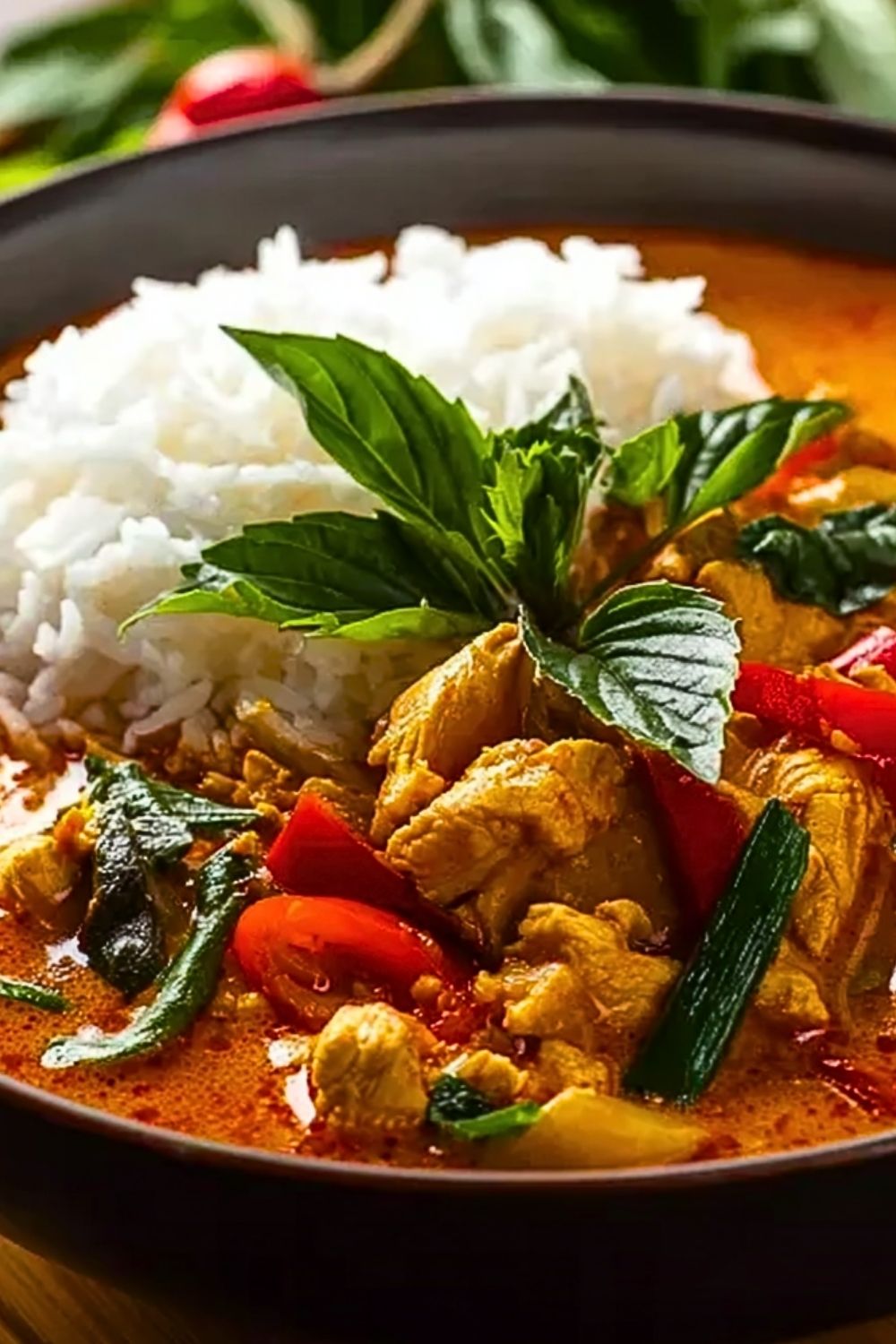
Whether you’re making it for a cozy night in or to impress guests at a dinner party, this recipe is surprisingly simple and incredibly rewarding. It pairs beautifully with jasmine rice and fresh Thai basil, making every bite a comforting mix of savory richness and herby freshness. This is the kind of meal that earns a permanent spot in your weekly rotation.
Why You’ll Love This Thai Panang Curry
- Bold, aromatic, and comforting flavors
- Can be made in under 30 minutes
- Customizable with your favorite protein or veggies
- Dairy-free and naturally gluten-free
- Better than takeout and healthier, too
Preparation Phase & Tools to Use (Essential Tools and Equipment)
To get started with Thai Panang Curry, having the right tools will save time and enhance the cooking process:
- Wok or Deep Skillet: Ideal for fast cooking and evenly distributing heat.
- Sharp Chef’s Knife: For slicing meat and vegetables cleanly.
- Cutting Board: Preferably a large one to keep your prep organized.
- Measuring Cups & Spoons: Precision is key for achieving the right balance of flavors.
- Wooden Spoon or Silicone Spatula: Helps stir curry gently without scratching cookware.
- Ladle: Makes serving curry with rice a breeze.
Each tool ensures that you move swiftly through prep and cook phases while maintaining consistency and safety in the kitchen.
Preparation Tips
Start by prepping all your ingredients before you heat the pan—this is essential in Thai cooking where things move fast. Slice your protein thin so it cooks evenly and quickly. Use full-fat coconut milk for a richer and creamier curry texture. Toasting your curry paste in the pan before adding liquids allows the aromatics to bloom, intensifying the flavor. Always taste and adjust your seasoning at the end with a touch of fish sauce, sugar, or lime juice to balance the saltiness and sweetness. Lastly, add fresh basil leaves right before serving to retain their color and fragrance.
Ingredients for this Thai Panang Curry
- 1 lb (450g) chicken breast or thigh, thinly sliced
- 2 tbsp Panang curry paste (store-bought or homemade)
- 1 tbsp vegetable oil or coconut oil
- 1 can (13.5 oz) full-fat coconut milk
- 1/2 cup water or chicken broth
- 1 tbsp fish sauce (adjust to taste)
- 1 tbsp palm sugar or brown sugar
- 1/4 cup roasted peanuts or 1 tbsp peanut butter (optional but traditional)
- 1 red bell pepper, thinly sliced
- 1 green bell pepper, thinly sliced
- 1/2 cup Thai basil leaves (or sweet basil as substitute)
- 1/2 small onion, chopped
- 1/2 cup bamboo shoots (optional)
- Juice of 1/2 lime
- Cooked jasmine rice, for serving
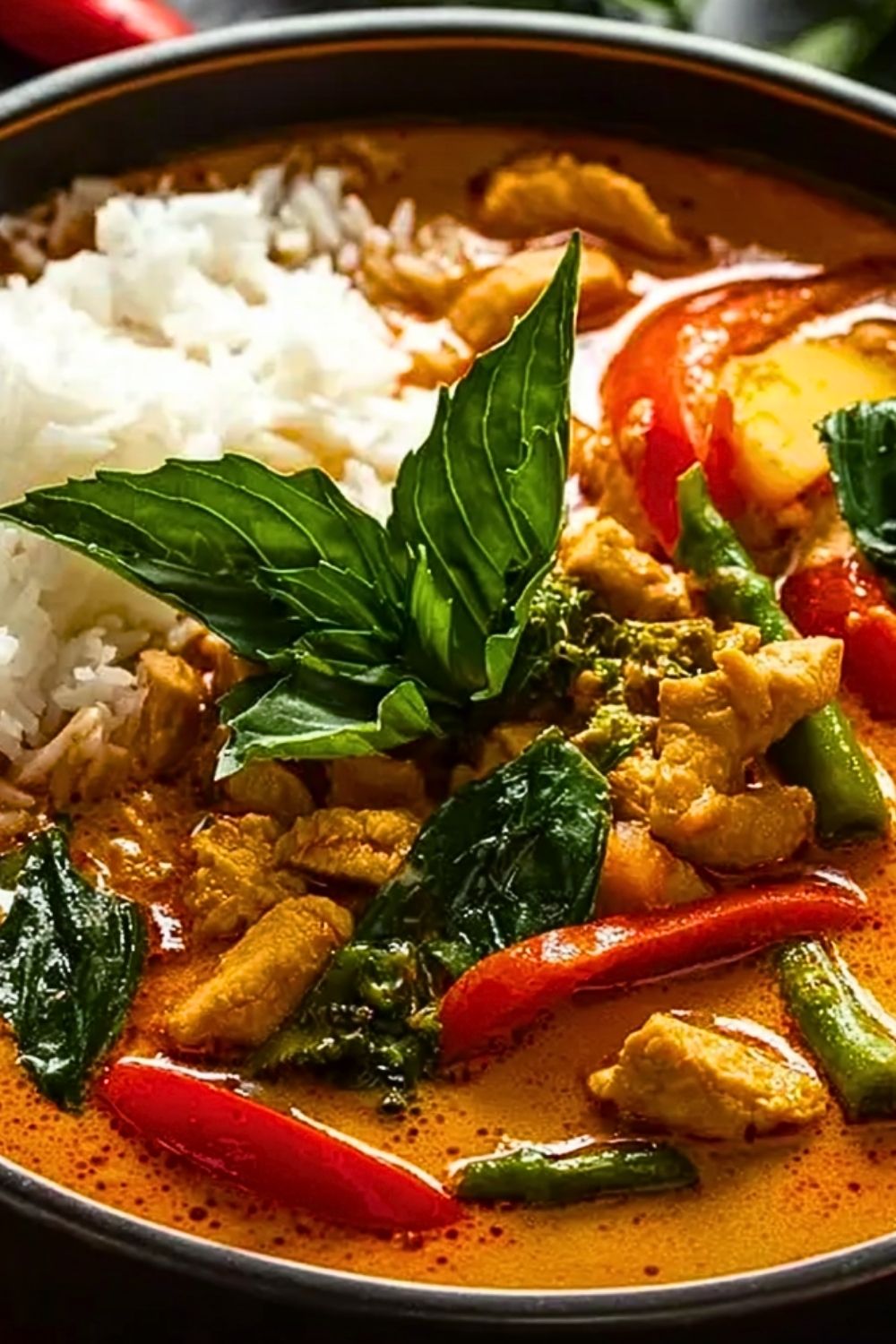
Step 1: Prepare Your Ingredients
Start by slicing your chicken into thin, bite-sized pieces. Chop the bell peppers, onions, and prepare your basil leaves. If using roasted peanuts, crush them lightly. Having everything ready before you start cooking will help the dish come together quickly and smoothly.
Step 2: Sauté the Curry Paste
Heat oil in a wok or deep skillet over medium heat. Add the Panang curry paste and sauté for 1–2 minutes, stirring constantly, until fragrant. This step is crucial—it activates the spices and gives your curry a bold, rich flavor.
Step 3: Add Coconut Milk
Slowly pour in the coconut milk while stirring, allowing it to fully combine with the curry paste. Let it simmer for 2–3 minutes to thicken slightly and develop flavor. The creamy base will turn a beautiful orange-red color.
Step 4: Cook the Chicken
Add the sliced chicken to the simmering coconut curry base. Stir well to coat all the pieces. Let it cook for 6–8 minutes, or until the chicken is fully cooked and tender.
Step 5: Season the Curry
Add fish sauce, palm sugar, and crushed peanuts or peanut butter. Stir and let it simmer another 2–3 minutes. Taste and adjust the seasoning as needed—more fish sauce for saltiness, more sugar for sweetness, or a splash of lime juice for acidity.
Step 6: Add Vegetables
Toss in the bell peppers, onion, and bamboo shoots if using. Cook for an additional 2–3 minutes until the vegetables are slightly tender but still crisp. Don’t overcook them—they should retain color and crunch.
Step 7: Finish with Thai Basil
Turn off the heat and immediately stir in Thai basil leaves. Let the residual heat wilt them gently. This keeps their aroma and color vibrant.
Step 8: Serve and Enjoy
Serve your Thai Panang Curry hot over a generous scoop of steamed jasmine rice. Garnish with more basil leaves and a wedge of lime if desired. Enjoy the burst of creamy, spicy, and herbaceous flavors in every bite.
Notes
Using fresh ingredients is key to a flavorful Panang curry. If you can find Thai basil, use it instead of Italian basil for its authentic aroma. Also, good-quality Panang curry paste makes a big difference—Mae Ploy and Maesri are two reliable brands. If you’re sensitive to spice, start with 1 tablespoon of paste and add more to taste. And remember, the sweetness, saltiness, and creaminess can be adjusted at the end, so don’t worry if it’s not perfect right away.
Watch Out for These Mistakes While Cooking
- Overcooking the Chicken: Thinly sliced chicken cooks quickly. Leaving it in the pan too long can make it rubbery.
- Not Sautéing the Curry Paste: This step brings out the oils and deepens the flavor; skipping it leads to a dull curry.
- Using Low-Fat Coconut Milk: It won’t give you the same richness and might make the curry watery.
- Adding Basil Too Early: Thai basil should be added at the end to preserve its flavor and color.
- Overloading with Veggies: While tempting, too many vegetables can dilute the rich, creamy nature of the curry.
Storage Instructions
Leftover Panang curry can be stored in an airtight container in the refrigerator for up to 3 days. Reheat gently on the stove over low heat or in the microwave, adding a splash of water or coconut milk if it thickens too much. It can also be frozen for up to 2 months. Thaw overnight in the fridge before reheating.
Estimated Nutrition (per serving)
- Calories: 420 kcal
- Protein: 28g
- Fat: 28g
- Saturated Fat: 17g
- Carbohydrates: 18g
- Fiber: 3g
- Sugar: 6g
- Sodium: 680mg
- Cholesterol: 85mg
Frequently Asked Questions
What’s the difference between Panang curry and red curry?
Panang curry is thicker, creamier, and typically includes ground peanuts, giving it a nutty, slightly sweet profile, unlike the more fluid red curry.
Can I make this vegetarian or vegan?
Yes! Swap the chicken for tofu, and use soy sauce or vegan fish sauce alternatives. Also, check that your curry paste doesn’t contain shrimp paste.
Is Panang curry spicy?
It’s milder than red or green curry but still has a warming heat. You can adjust the amount of curry paste to your taste.
Can I use beef or shrimp instead of chicken?
Absolutely. Thinly sliced beef or peeled shrimp work beautifully. Just adjust cooking times—shrimp only needs a few minutes.
Can I use light coconut milk?
Technically yes, but it won’t be as rich or flavorful. Full-fat coconut milk is recommended for the best taste.
Do I need a wok to cook Panang curry?
Not necessarily. A deep skillet or sauté pan works just as well, as long as it holds the volume comfortably.
Can I freeze Panang curry?
Yes, it freezes well. Store in a sealed container and reheat gently, adding a splash of water or coconut milk to restore texture.
What rice goes best with Panang curry?
Steamed jasmine rice is the classic pairing. Its soft, slightly sticky texture complements the creamy curry sauce perfectly.
Conclusion
Thai Panang Curry is a standout dish that’s both indulgent and achievable, even on a busy weeknight. Its luxurious coconut base, paired with spicy, savory, and slightly sweet notes, makes it a crowd-pleaser that feels like a restaurant-quality meal at home. With a few pantry staples and fresh ingredients, you can whip up this soul-satisfying curry in under 30 minutes. Whether you’re new to Thai cooking or already in love with its flavors, this recipe will quickly become a go-to favorite.
Best Ever Thai Panang Curry
- Prep Time: 10 minutes
- Cook Time: 15 minutes
- Total Time: 25 minutes
- Yield: 4 servings
- Category: Dinner
- Method: Stove-top
- Cuisine: Thai
Description
Craving a bold, comforting meal that’s both quick and satisfying? This Best Ever Thai Panang Curry brings authentic Thai flavors straight to your kitchen with a creamy coconut base, vibrant vegetables, and tender chicken. Perfect for weeknight dinners or when you want to impress guests, this easy recipe is rich in flavor yet simple to make. Whether you’re hunting for dinner ideas, a healthy snack, or a twist on quick breakfast leftovers with jasmine rice, this dish ticks all the boxes for food ideas that delight every time.
Ingredients
1 lb chicken breast or thigh, thinly sliced
2 tbsp Panang curry paste
1 tbsp vegetable oil or coconut oil
1 can (13.5 oz) full-fat coconut milk
1/2 cup water or chicken broth
1 tbsp fish sauce
1 tbsp palm sugar or brown sugar
1/4 cup roasted peanuts or 1 tbsp peanut butter
1 red bell pepper, thinly sliced
1 green bell pepper, thinly sliced
1/2 cup Thai basil leaves
1/2 small onion, chopped
1/2 cup bamboo shoots (optional)
Juice of 1/2 lime
Cooked jasmine rice, for serving
Instructions
1. Slice the chicken, chop the vegetables, and prepare all ingredients before starting to cook.
2. Heat oil in a wok or skillet over medium heat, add Panang curry paste, and sauté for 1–2 minutes until fragrant.
3. Pour in coconut milk and stir well to combine with the curry paste. Simmer for 2–3 minutes.
4. Add the chicken and stir until fully coated. Cook for 6–8 minutes until chicken is done.
5. Stir in fish sauce, palm sugar, and crushed peanuts or peanut butter. Simmer another 2–3 minutes and taste for seasoning.
6. Add sliced bell peppers, onion, and bamboo shoots (if using). Cook 2–3 minutes until tender-crisp.
7. Turn off the heat and mix in Thai basil leaves to preserve their aroma and color.
8. Serve hot with steamed jasmine rice. Garnish with basil and lime if desired.
Notes
Toasting the curry paste in oil is essential for unlocking full depth of flavor—don’t skip it.
Use full-fat coconut milk for best results; light versions yield a thinner, less flavorful sauce.
Add basil at the end of cooking to retain its vibrant color and signature Thai aroma.
Nutrition
- Serving Size: 1 bowl
- Calories: 420
- Sugar: 6g
- Sodium: 680mg
- Fat: 28g
- Saturated Fat: 17g
- Unsaturated Fat: 9g
- Trans Fat: 0g
- Carbohydrates: 18g
- Fiber: 3g
- Protein: 28g
- Cholesterol: 85mg
Keywords: thai curry, quick dinner, easy recipe, panang curry, chicken curry, food ideas